

Why Learn Interior Design Fundamentals in 2026?
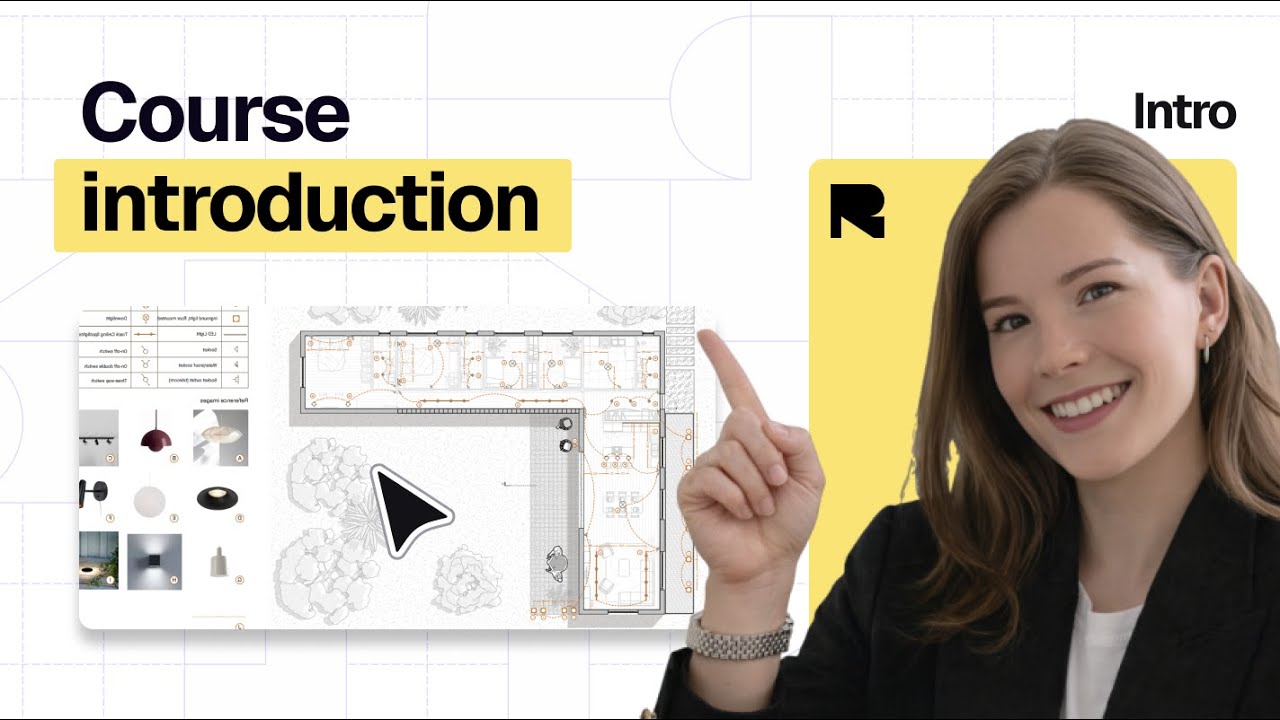
Interior Design Fundamentals Course
Take this course on CourseBond — completely free to start.
Stepping into the world of interior design, even as a complete beginner, opens up a fascinating realm of creativity, problem-solving, and personal expression. But why is 2026 a particularly great time to dive into these fundamentals? The answer lies in a blend of evolving trends, technological advancements, and a growing appreciation for well-designed spaces.
Firstly, the way we live and work has fundamentally shifted. Remote work is more prevalent than ever, meaning our homes often serve multiple purposes: office, gym, sanctuary, and social hub. This multifaceted demand on our personal spaces has heightened the need for thoughtful, functional, and aesthetically pleasing interiors. Understanding design fundamentals allows you to craft environments that support these diverse needs, making everyday life more comfortable and productive. It’s not just about making things look pretty; it’s about optimizing living.
Secondly, sustainability and conscious living are no longer niche interests; they are mainstream drivers in design. Consumers and homeowners are increasingly seeking eco-friendly materials, energy-efficient solutions, and designs that promote well-being. Learning the fundamentals now means you’ll be equipped to understand and implement these principles from the ground up, designing spaces that are not only beautiful but also responsible and future-proof. This includes everything from material selection to maximizing natural light and ventilation.
Thirdly, technology continues to democratize design. With readily available software, online resources, and virtual reality tools, visualizing and planning interior spaces has become more accessible than ever before. While these tools are powerful, they are only as effective as the designer using them. A strong grasp of fundamental principles – like color theory, space planning, and furniture arrangement – ensures you can leverage these technologies effectively, translating your creative vision into tangible, well-executed designs. You won’t just be pushing pixels; you’ll be designing with purpose.
Finally, the “do-it-yourself” (DIY) culture remains incredibly strong. Whether you’re refreshing your own home, helping friends and family, or even considering a side hustle, foundational knowledge in interior design is invaluable. It empowers you to make informed decisions, avoid costly mistakes, and achieve professional-looking results without necessarily hiring an expensive designer. It’s about gaining confidence in your aesthetic choices and understanding why certain designs work.
In essence, learning interior design fundamentals in 2026 isn’t just about pursuing a hobby; it’s about acquiring a valuable skill set that enhances your life, empowers your creativity, and allows you to contribute to a world that increasingly values thoughtful, functional, and beautiful spaces. The Interior Design Fundamentals Course on CourseBond is an excellent starting point to build this essential knowledge base.
Who Should Learn Interior Design Fundamentals?
The beauty of interior design fundamentals is their broad applicability. You don’t need to aspire to be a professional interior designer to benefit from understanding these core principles. In fact, many different types of individuals can find immense value in this knowledge.
- Homeowners and Renters: This is arguably the largest group. If you live in a space, you interact with its design every single day. Learning fundamentals allows you to transform your own home or apartment into a reflection of your personality, a more functional environment, and a place you genuinely love. You’ll learn how to choose paint colors, arrange furniture effectively, select lighting, and even understand how to make small spaces feel larger. It’s about taking control of your living environment and making it work for you.
- Aspiring Interior Designers: If you dream of turning your passion for beautiful spaces into a career, learning the fundamentals is the absolute first step. Before you delve into advanced concepts or specialized niches, you need a rock-solid understanding of the basics. The Interior Design Fundamentals Course provides that crucial groundwork, giving you a strong foundation upon which to build your professional journey.
- Real Estate Professionals: Agents, stagers, and property managers can significantly benefit from understanding design principles. Knowing how to present a property in its best light, stage it effectively for sale, or advise clients on simple improvements can lead to quicker sales and happier clients. Understanding flow, light, and aesthetic appeal can make a huge difference in how a property is perceived.
- DIY Enthusiasts and Crafters: If you love home improvement projects, crafting, or upcycling furniture, interior design fundamentals will elevate your work. You’ll understand how your individual projects fit into a larger design scheme, ensuring coherence and a polished look rather than a collection of disconnected pieces. It helps you see the bigger picture.
- Retail Employees (Furniture, Decor, Paint Stores): For those working in retail environments selling home goods, having a foundational understanding of interior design can significantly improve customer service. You can offer more informed advice, help customers make better selections, and ultimately drive sales by guiding them toward choices that genuinely work for their spaces.
- Anyone with a Passion for Aesthetics: Even if you don’t fit neatly into the categories above, if you simply enjoy beautiful spaces, find yourself critiquing room layouts, or love browsing design magazines, this course is for you. It provides a vocabulary and framework for understanding why certain designs appeal to you and how to recreate those elements yourself. It’s about moving from simply appreciating design to understanding its mechanics.
In essence, if you interact with spaces, care about how they look and feel, or have an innate desire to create more harmonious environments, then learning interior design fundamentals is a journey worth taking. It’s a skill that empowers you to shape your surroundings and, in turn, enhance your daily life.
The Best Free Way to Learn Interior Design Fundamentals
In today’s digital age, the idea that quality education must come with a hefty price tag is increasingly outdated. This is especially true for subjects like interior design, where passion and practical application often outweigh formal degrees for those just starting out. When it comes to learning interior design fundamentals for free, there are several avenues you can explore, but one stands out for its structured approach and comprehensive content.
While YouTube offers countless tutorials and blog posts provide snippets of information, piecing together a coherent and complete understanding from these disparate sources can be challenging and time-consuming. You might miss crucial foundational elements or struggle with the logical progression of topics. This is where a dedicated, free online course becomes invaluable.
The absolute best free way to learn interior design fundamentals is through a well-designed, structured online course that covers all the essential topics in a logical, step-by-step manner. This is precisely what the Interior Design Fundamentals Course on CourseBond offers.
Here’s why a course like this is superior to a fragmented approach:
- Structured Curriculum: A good course provides a clear roadmap. It starts with the absolute basics and gradually builds up to more complex topics. You won’t have to guess what to learn next or worry about missing key information. The CourseBond course, for example, guides you through everything from understanding design principles to practical space planning.
- Comprehensive Coverage: Instead of focusing on isolated techniques, a foundational course ensures you get a holistic view. It covers the breadth of fundamental knowledge required, from color theory and lighting to furniture selection and textile choices, ensuring you don’t have gaps in your understanding.
- Expert-Led Content: While many online resources are user-generated, a dedicated course is typically developed by experienced professionals. This means the information is accurate, relevant, and presented in an easy-to-understand format, often with practical examples and case studies.
- No Cost Barrier: The fact that it’s completely free removes any financial hurdle, making quality education accessible to everyone, regardless of their budget. This is a huge advantage for beginners who are still exploring their interest and don’t want to commit financially upfront.
- Flexibility: Online courses allow you to learn at your own pace, on your own schedule. You can fit your learning around your existing commitments, whether that’s a full-time job, family responsibilities, or other hobbies.
- Community and Support (Often Available): Many platforms, including CourseBond, offer forums or communities where you can interact with other learners, ask questions, and get feedback, further enriching your learning experience.
While you can certainly supplement your learning with YouTube videos, design blogs, and Pinterest boards for inspiration, starting with a robust, free course like the Interior Design Fundamentals Course on CourseBond provides the essential backbone you need. It ensures you build a solid, well-rounded understanding of the core principles before you delve into more advanced or specialized areas. It’s the most efficient and effective way to get started without spending a dime.
Interior Design Fundamentals Roadmap: From Beginner to Confident Practitioner
Embarking on the journey of learning interior design fundamentals can feel like stepping into a vast, exciting, but potentially overwhelming world. A clear roadmap is essential to guide you from a complete novice to someone who can confidently approach and design spaces. Here’s a breakdown of the key areas you’ll explore and master:
Phase 1: The Absolute Basics – Understanding the Language of Design
This initial phase is about building your foundational vocabulary and understanding the core components of any design. Think of it as learning the alphabet and basic grammar before writing a novel.
- Elements of Design: You’ll start by understanding the building blocks:
- Line: How lines (horizontal, vertical, curved) create direction, movement, and define forms.
- Form/Shape: The 3D and 2D outlines of objects and spaces.
- Space: Understanding positive (filled) and negative (empty) space, and how to manipulate it for function and aesthetics.
- Light: The critical role of natural and artificial light in shaping mood, highlighting features, and affecting color.
- Color: The basics of color theory – the color wheel, primary/secondary/tertiary colors, warm/cool colors, tints, tones, shades, and how color influences emotion and perception.
- Texture: How the tactile and visual quality of surfaces (smooth, rough, soft, hard) adds depth and interest.
- Pattern: The repetition of a design element, creating rhythm and visual appeal.
- Principles of Design: Once you know the elements, you learn how to arrange them effectively:
- Balance: Achieving visual equilibrium (symmetrical, asymmetrical, radial).
- Rhythm: Creating movement and flow through repetition, progression, or alternation.
- Emphasis/Focal Point: Drawing attention to a specific area or object.
- Proportion and Scale: The relationship of parts to a whole and to each other, ensuring things don’t look too big or too small.
- Harmony and Unity: Creating a sense of cohesion and belonging among all elements.
- Contrast: Using opposing elements (light/dark, smooth/rough) to create visual interest.
- Basic Terminology: Familiarizing yourself with common industry terms will make understanding subsequent lessons much easier.
The Interior Design Fundamentals Course on CourseBond dedicates significant time to these foundational elements and principles, ensuring you build a solid understanding before moving forward.
Phase 2: Practical Application – Designing Spaces
With the theoretical framework in place, this phase moves into applying those concepts to real-world interior spaces.
- Space Planning and Layout:
- Understanding floor plans and how to read them.
- Zoning a room for different functions (e.g., living, dining, work).
- Furniture arrangement principles for flow, function, and aesthetics.
- Considerations for traffic patterns and accessibility.
- Color Schemes and Application:
- Developing effective color palettes based on mood, style, and existing elements.
- Understanding how light affects color.
- Practical tips for choosing and sampling paint colors.
- Lighting Design:
- Types of lighting: ambient, task, accent.
- Layering light to create depth and mood.
- Choosing appropriate fixtures for different areas and functions.
- Material and Finishes Selection:
- Exploring common materials for flooring, walls, countertops, and upholstery.
- Understanding durability, maintenance, and aesthetic qualities.
- Combining different textures and patterns effectively.
- Furniture and Decor Selection:
- Understanding different furniture styles.
- Sourcing furniture: new, vintage, custom.
- Accessorizing and styling: art, plants, textiles, decorative objects.
- The importance of scale and proportion in furniture choices.
Phase 3: Developing Your Eye and Process
This final phase is about refining your skills, understanding the design process, and cultivating your unique aesthetic.
- Understanding Different Design Styles:
- Brief overview of popular styles (e.g., modern, traditional, minimalist, bohemian, industrial) to help you identify and articulate preferences.
- How to blend styles effectively.
- Developing a Design Concept:
- Learning to gather inspiration (mood boards, Pinterest).
- Defining client needs or personal goals for a space.
- Translating inspiration into a cohesive design vision.
- Budgeting Basics:
- Understanding how to allocate funds for different design elements.
- Tips for saving money without sacrificing style.
- Putting It All Together:
- Case studies and practical exercises to apply learned principles.
- Critiquing designs (your own and others’) constructively.
- Continuous Learning: Interior design is always evolving. This phase emphasizes the importance of staying curious, observing trends, and continuing to refine your skills through practice and further exploration.
By following this roadmap, whether through a structured course like CourseBond’s or a combination of resources, you’ll steadily build the knowledge and confidence to transform spaces and express your creative vision.
Common Mistakes Beginners Make
Every journey has its pitfalls, and learning interior design is no exception. Being aware of common beginner mistakes can help you avoid frustration, save money, and achieve better results faster. Here are some of the most frequent missteps:
- Ignoring the Fundamentals: This is perhaps the biggest mistake. Jumping straight into picking furniture or paint colors without understanding the basic elements and principles of design (like balance, scale, and color theory) is like trying to build a house without a foundation. The results often look disjointed, uncomfortable, or simply “off.” Take your time with the foundational concepts, as taught in the Interior Design Fundamentals Course, before diving into aesthetics.
- Not Measuring (Everything!): “Eyeballing” is a beginner’s worst enemy. Not measuring rooms, doorways, windows, and especially furniture can lead to pieces that are too big for a space, don’t fit through an entrance, or block essential pathways. Always measure, measure again, and then draw out your floor plan.
- Buying Furniture That’s Out of Scale: A common issue is buying furniture that’s either too large and overwhelms a room, or too small and makes the space feel empty and awkward. Understanding proportion and scale is crucial for selecting pieces that fit harmoniously within the dimensions of your space.
- Neglecting Lighting: Many beginners underestimate the power of lighting. Relying solely on a single overhead light fixture creates a flat, unwelcoming space. Good design involves layering light – ambient, task, and accent lighting – to create depth, mood, and functionality.
- Choosing Paint Color First: It’s tempting to pick your favorite paint color right away, but it’s often more effective to choose your larger, more expensive pieces (like rugs, sofas, or artwork) first. These items often have patterns or multiple colors that are harder to match than a single paint shade. It’s much easier to find a paint color to complement a rug than vice-versa.
- Over-Decorating or Under-Decorating: Finding the right balance is key. Over-decorating leads to clutter and a chaotic feel, while under-decorating can make a space feel cold and impersonal. Learn to edit your possessions and understand the concept of negative space.
- Ignoring Functionality: A beautiful room that isn’t practical is a failed design. Always consider how a space will be used. Is there enough seating? Is the traffic flow clear? Are surfaces at the right height? Function should always be a primary consideration.
- Sticking to One Style Too Rigidly: While understanding design styles is important, trying to perfectly replicate a magazine spread can lead to a sterile, unoriginal space. The most interesting rooms often blend elements from different styles, reflecting the personality of the inhabitant. Don’t be afraid to mix and match thoughtfully.
- Not Creating a Budget: Design projects can quickly become expensive. Without a clear budget, you risk overspending or having to compromise on essential elements later on. Plan your finances from the start.
- Not Seeking Inspiration (or Too Much Inspiration): On one hand, not looking at examples can lead to a lack of ideas. On the other, constantly scrolling through Pinterest without a clear vision can lead to “inspiration overload” and difficulty making decisions. Gather inspiration, but then distill it into a cohesive
Related Free Courses
