
Why Learn Web Design 101: Free in 2026?
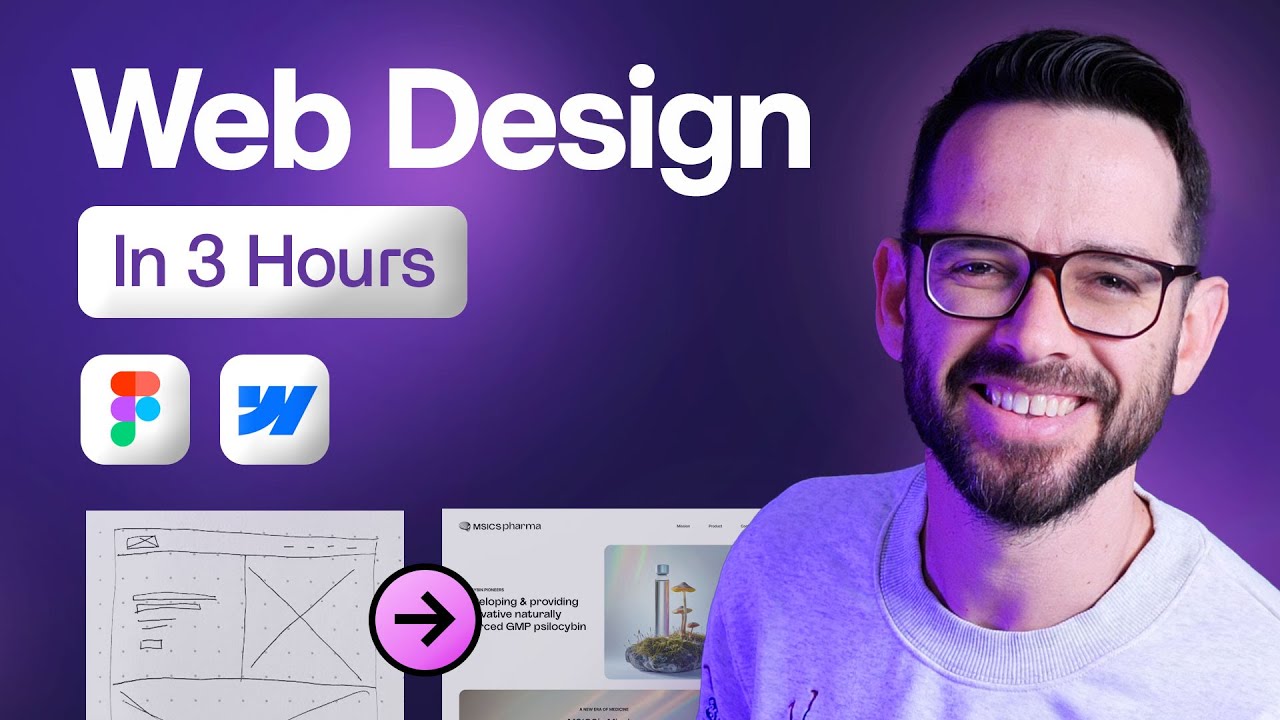
Web Design 101: Free Full Course
Take this course on CourseBond — completely free to start.
The digital landscape is constantly evolving, and a strong online presence is no longer a luxury, but a necessity. Whether you’re an aspiring entrepreneur, a creative professional, or simply curious about how the internet works, understanding web design fundamentals is an incredibly valuable skill. But why specifically in 2026, and why learn it for free?
The Ever-Growing Demand for Digital Skills
Even with advanced AI tools, the need for human creativity and understanding in web design remains paramount. Businesses of all sizes, non-profits, and individuals are continuously looking to establish or improve their online presence. This means a constant demand for people who can design, build, and maintain websites. Learning web design now positions you perfectly for future opportunities, whether that’s a full-time job, freelance gigs, or simply managing your own projects.
Empowerment Through Creation
Imagine being able to bring your ideas to life on the internet. Want to start a blog about your passion? Build an online portfolio to showcase your art? Create a simple website for your local community group? Learning web design gives you the power to create and control your own corner of the web without relying on expensive developers or rigid templates. It’s a truly empowering experience.
Cost-Effective Skill Acquisition
Historically, learning a new skill like web design could be a significant financial investment. However, in 2026, the abundance of high-quality free resources makes it more accessible than ever. You don’t need to break the bank to gain valuable knowledge. Platforms like CourseBond offer comprehensive courses, such as the Web Design 101: Free Full Course, that provide a solid foundation without any cost.
Understanding the Digital World
Even if you don’t plan to become a professional web designer, understanding the basics of how websites are put together can significantly enhance your digital literacy. You’ll better understand the tools you use daily, how information is presented online, and how to critically evaluate the websites you visit. This knowledge is invaluable in an increasingly digital world.
Flexibility and Self-Paced Learning
Free online courses offer unparalleled flexibility. You can learn at your own pace, on your own schedule, fitting your studies around your existing commitments. This makes it an ideal option for students, working professionals, or anyone with a busy lifestyle. There’s no pressure to keep up with a class; you set your own deadlines.
Who Should Learn Web Design 101: Free?
The beauty of “Web Design 101: Free” is its broad appeal. It’s designed to be accessible and beneficial to a wide range of individuals. Here are some groups who would particularly benefit:
Complete Beginners with Zero Coding Experience
This is perhaps the most obvious group. If you’ve ever wondered how websites are built but felt intimidated by the technical jargon, this course is for you. You don’t need any prior experience with coding, graphic design, or even advanced computer skills. The Web Design 101: Free Full Course starts from the absolute basics, assuming you know nothing and guiding you step-by-step.
Aspiring Entrepreneurs and Small Business Owners
Every business needs an online presence. Learning basic web design allows you to create your own professional website without significant upfront costs. This is crucial for startups and small businesses operating on a tight budget. You can build your online store, showcase your services, or create a landing page for your new product, all while understanding the underlying technology.
Creative Professionals (Artists, Writers, Photographers)
If you’re an artist, writer, photographer, or any other creative professional, a strong online portfolio is essential. Web design skills enable you to create a unique and personalized space to display your work, rather than relying on generic template sites. You can control the aesthetic, user experience, and overall presentation of your creative output.
Students Exploring Career Paths
High school and college students who are curious about careers in technology, marketing, or design will find web design a fantastic entry point. It’s a practical skill that can open doors to various fields and help you decide if a career in web development, UX/UI design, or digital marketing is right for you. It’s also a great way to build a portfolio even before graduating.
Anyone Looking to Enhance Digital Literacy
In our digital age, understanding how websites function is a fundamental aspect of digital literacy. Even if you never intend to build a website professionally, knowing the basics of HTML, CSS, and how web pages are structured will make you a more informed internet user. You’ll be able to troubleshoot minor issues, understand security implications, and generally navigate the web with greater confidence.
Individuals Seeking a New Hobby or Skill
Learning web design can be an incredibly rewarding hobby. It combines logic, creativity, and problem-solving. If you enjoy building things, solving puzzles, or expressing yourself creatively, you might find web design to be a fulfilling and engaging pastime. Plus, you’ll have a tangible outcome – a functioning website!
The Best Free Way to Learn Web Design 101: Free
With so many resources available, it can be overwhelming to figure out the best starting point. The key is to find a structured, comprehensive, and engaging learning path. Here’s why a course like the one offered on CourseBond is ideal, and what to look for in any free learning journey.
Structured Learning Path
The biggest advantage of a dedicated free course, such as CourseBond’s Web Design 101: Free Full Course, is its structured curriculum. Instead of jumping between disconnected tutorials and articles, you get a logical progression of topics. This ensures you build foundational knowledge before moving on to more complex concepts, preventing gaps in your understanding that can frustrate beginners.
Hands-On Practice and Projects
Web design is a practical skill. You can read all the theory in the world, but you won’t truly learn until you start building. Look for courses that incorporate plenty of hands-on exercises, coding challenges, and small projects. These practical applications solidify your understanding and give you tangible results to keep you motivated.
Clear Explanations and Examples
Good free courses will break down complex concepts into easy-to-understand language. They should use clear examples, analogies, and visual aids to illustrate points. Avoid resources that are overly technical or assume prior knowledge. The goal is to demystify web design, not make it more confusing.
Community and Support (Where Available)
While not always a feature of every free resource, some platforms offer community forums or discussion sections where you can ask questions and interact with fellow learners. This peer support can be invaluable when you get stuck or need clarification. Even if a specific course doesn’t have a built-in community, actively seeking out online forums (like Reddit’s web design subreddits) can provide similar benefits.
Up-to-Date Content
The web changes rapidly. Ensure that the free resources you choose are relatively up-to-date. While the core principles of HTML and CSS remain stable, best practices and certain techniques evolve. A reputable platform will strive to keep its content current, providing you with relevant and effective knowledge.
Accessibility and Convenience
The best free way to learn is one that fits into your life. Online courses are perfect because they’re accessible from anywhere with an internet connection. You can learn on your laptop, tablet, or even smartphone, making it easy to squeeze in learning sessions whenever you have spare time.
In summary, while there are many free tutorials and videos scattered across the internet, a comprehensive, free course like the Web Design 101: Free Full Course on CourseBond offers the most effective and efficient way for beginners to learn web design. It provides structure, practical application, and a clear path forward without any financial commitment.
Web Design 101: Free Roadmap: From Beginner to Confident Practitioner
Embarking on your web design journey can feel like navigating a maze. This roadmap will guide you through the essential steps, ensuring you build a solid foundation and progress effectively.
Phase 1: Understanding the Foundation (HTML & CSS Basics)
1. What is HTML?
- Learn that HTML (HyperText Markup Language) is the backbone of every webpage. It provides the structure and content.
- Understand common tags like
<p>for paragraphs,<h1>to<h6>for headings,<img>for images, and<a>for links. - Practice creating a simple webpage with text, images, and links.
2. What is CSS?
- Discover CSS (Cascading Style Sheets), which is used to style your HTML. Think of HTML as the skeleton and CSS as the skin and clothes.
- Learn how to change colors, fonts, sizes, and spacing.
- Understand different ways to apply CSS (inline, internal, external stylesheets).
- Start styling your basic HTML page to make it visually appealing.
3. Setting Up Your Development Environment
- Learn how to use a simple text editor (like VS Code, Sublime Text, or even Notepad++) to write your code.
- Understand how to save your HTML and CSS files and open them in a web browser.
- No complex software is needed at this stage – just a text editor and a browser!
This foundational phase is thoroughly covered in the early modules of the Web Design 101: Free Full Course, ensuring you get a strong start.
Phase 2: Layout and Responsive Design
1. The Box Model
- Grasp the concept that every HTML element is essentially a box.
- Learn about
margin,border,padding, andcontentand how they affect an element’s size and spacing.
2. Display Properties (Block, Inline, Inline-Block)
- Understand how different display properties affect how elements behave on a page.
3. Flexbox for Layouts
- Learn Flexbox, a powerful CSS tool for arranging items in rows or columns. This is crucial for modern web layouts.
- Practice building simple navigation bars and content sections using Flexbox.
4. Introduction to Responsive Design
- Understand why websites need to look good on all devices (desktops, tablets, phones).
- Learn about media queries, which allow you to apply different styles based on screen size.
- Start adapting your simple layouts to be responsive.
Phase 3: Adding Interactivity (JavaScript Basics)
1. What is JavaScript?
- Discover JavaScript, the programming language that adds interactivity and dynamic behavior to your websites.
- Understand how it can respond to user actions (clicks, hovers) and manipulate HTML and CSS.
2. Basic JavaScript Concepts
- Learn fundamental programming concepts: variables, data types, operators, conditional statements (if/else), and loops.
3. DOM Manipulation
- Understand the Document Object Model (DOM), which is how JavaScript interacts with your HTML.
- Practice changing text, adding/removing classes, and showing/hiding elements using JavaScript.
Phase 4: Bringing it All Together (Projects & Tools)
1. Build Small Projects
- Apply everything you’ve learned by building a few small, complete websites. Examples: a personal portfolio page, a simple landing page, a recipe website.
- Focus on integrating HTML, CSS, and basic JavaScript effectively.
2. Introduction to Version Control (Git/GitHub)
- Learn the basics of Git for tracking changes in your code and GitHub for hosting your projects online. This is an industry standard.
3. Deploying Your First Website
- Understand how to host your static website for free using services like GitHub Pages or Netlify. Share your creations with the world!
Phase 5: Continuous Learning & Next Steps
- Explore Design Principles: Learn about typography, color theory, spacing, and user experience (UX) basics to make your designs more effective.
- Practice Regularly: The more you build, the better you’ll get. Challenge yourself with new projects.
- Stay Updated: The web design world changes. Follow blogs, read articles, and keep experimenting.
- Consider Advanced Topics: Once comfortable, you might explore CSS frameworks (like Bootstrap or Tailwind CSS), more advanced JavaScript (libraries/frameworks like React or Vue), or content management systems (like WordPress).
Common Mistakes Beginners Make
Learning something new always comes with its challenges, and web design is no exception. Being aware of common pitfalls can help you avoid frustration and accelerate your learning process.
1. Trying to Memorize Everything
Mistake: Believing you need to commit every HTML tag, CSS property, and JavaScript function to memory before you can build anything.
Solution: Web design isn’t about memorization; it’s about understanding concepts and knowing how to find information. Focus on understanding why something works, not just what it does. Use resources like MDN Web Docs or CSS-Tricks as your go-to references. You’ll naturally remember the most common elements through practice.
2. Neglecting the Basics (HTML and CSS)
Mistake: Rushing to learn JavaScript, frameworks, or fancy tools without a solid grasp of HTML and CSS.
Solution: HTML and CSS are the absolute foundation. If your structure is weak (HTML) or your styling is inconsistent (CSS), adding JavaScript or frameworks will only compound the problems. Dedicate ample time to mastering HTML semantics and CSS layouts (especially Flexbox and Grid). The Web Design 101: Free Full Course emphasizes these fundamentals for a reason.
3. Not Practicing Enough
Mistake: Watching tutorials or reading articles without actively coding along or building your own projects.
Solution: Web design is a hands-on skill. You learn by doing. For every hour you spend watching a video, spend at least another hour (or more!) applying what you’ve learned. Build small, simple projects from scratch. Recreate designs you see online. This active learning solidifies your understanding.
4. Getting Discouraged by Errors
Mistake: Seeing an error message in your browser or console and immediately feeling defeated or thinking you’re not cut out for coding.
Solution: Errors are a normal, even essential, part of the development process. They are clues! Learn to read error messages, use your browser’s developer tools (F12 or right-click "Inspect"), and search for solutions online (Stack Overflow is your friend). Debugging is a skill in itself, and mastering it makes you a better developer.
5. Comparing Yourself to Experts
Mistake: Looking at professional, complex websites or portfolios of experienced designers and feeling inadequate.
Solution: Everyone started somewhere. Those experts have years of practice and dedicated learning. Focus on your own progress and celebrate small victories. Compare your current work to your past work, not to someone else’s polished portfolio. Your journey is unique.
6. Over-Reliance on Templates or Page Builders
Mistake: Jumping straight to WordPress, Wix, or other page builders without understanding the underlying code.
Solution: While these tools are great for quick deployment, relying on them too early can hinder your fundamental understanding. Learn HTML and CSS first. This will give you the knowledge to truly customize templates, troubleshoot issues, and understand the capabilities and limitations of page builders when you do decide to use them.
7. Not Taking Breaks
Mistake: Spending hours staring at code, getting frustrated, and burning out.
Solution: Your brain needs time to process information. If you’re stuck on a problem, take a break. Go for a walk, grab a snack, or work on something else for a bit. Often, stepping away allows your mind to reset, and you’ll come back with a fresh perspective and a solution.
How to Stay Motivated and Finish the Course
Starting a new skill is exciting, but maintaining momentum, especially with free, self-paced learning, can be a challenge. Here are practical tips to help you stay motivated and successfully complete your web design journey.
1. Set Clear, Achievable Goals
Don’t just say "I want to learn web design." Break it down. "I will complete Module 1 of the Web Design 101: Free Full Course this week." or "I will build a simple HTML page by Friday." Small, tangible goals provide a sense of accomplishment and keep you moving forward.
2. Schedule Dedicated Learning Time
Treat your learning like an important appointment. Block out specific
