
Why Learn Graphic Design Basics in 2026?
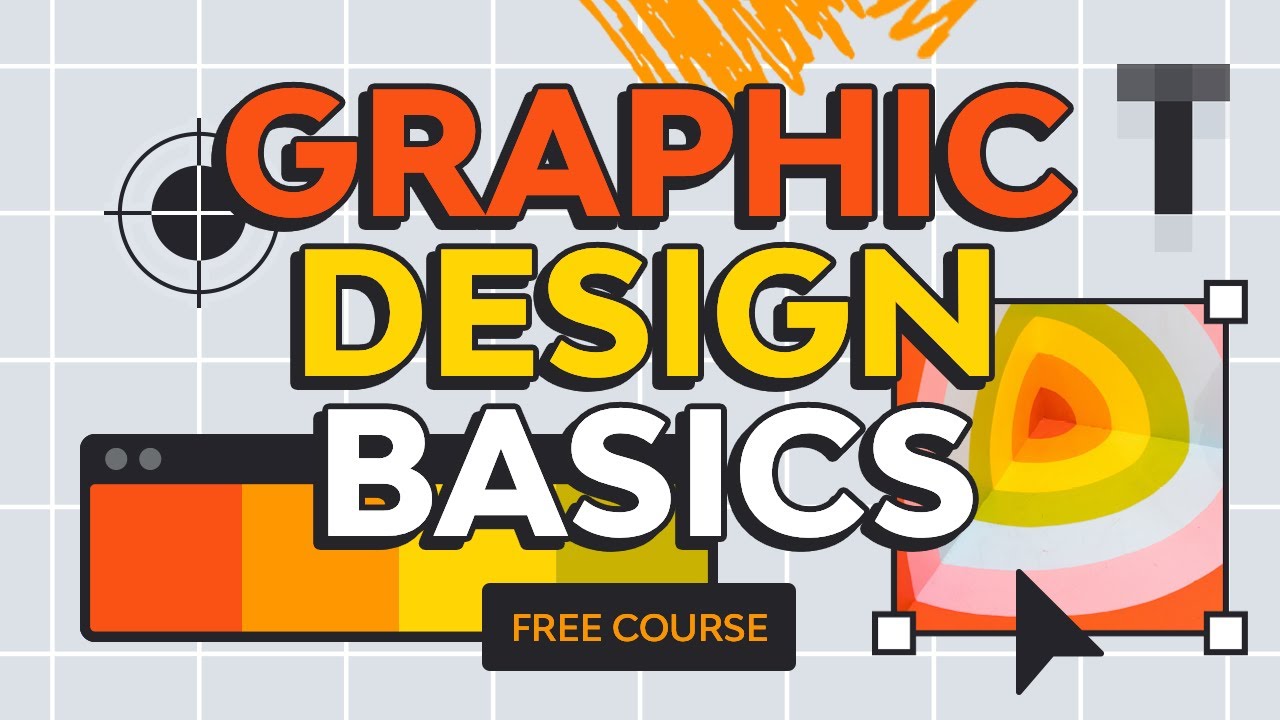
Graphic Design Basics | FREE COURSE
Take this course on CourseBond — completely free to start.
Graphic design is no longer a skill reserved for creative agencies or professional studios. In 2026, it is a fundamental tool for communication, whether you are building a personal brand, launching a startup, or simply trying to make your social media posts stand out in a crowded feed. Visual content is consumed faster than text, and a well-designed graphic can convey a complex idea in a split second.
The demand for basic design literacy continues to grow. Small business owners need to create their own marketing materials. Freelancers want to present polished proposals. Students need to make their presentations memorable. Even if you never plan to become a full-time designer, understanding the principles of layout, color, and typography gives you a massive advantage. You will be able to spot bad design, fix it, and create visuals that actually work.
Learning these basics also opens doors. It is the first step toward more advanced skills like UI/UX design, motion graphics, or digital illustration. And the best part? You do not need expensive software or a degree to start. With free resources and a bit of practice, you can go from total beginner to someone who can confidently create professional-looking graphics in a matter of weeks.
Who Should Learn Graphic Design Basics?
The short answer is: almost everyone. But let us break it down into specific groups who will benefit the most.
- Entrepreneurs and Small Business Owners: You are likely wearing many hats. Instead of paying a designer for every single social media post or flyer, you can handle simple projects yourself. Knowing the basics helps you communicate better with professional designers when you do hire them.
- Marketers and Content Creators: A blog post with a custom graphic gets more clicks. A video thumbnail that pops gets more views. If you create content for a living, design skills are not optional anymore.
- Students and Recent Graduates: A well-designed resume or portfolio can make the difference between getting an interview or being overlooked. These skills also look great on any resume, regardless of your major.
- Career Changers: If you are looking for a creative outlet or a new career path, graphic design is a field with low entry barriers. You can start learning today with zero investment and build a portfolio over time.
- Complete Beginners with No Artistic Background: This is the most important group. You do not need to be able to draw. You do not need to have an “eye for design.” The principles are teachable. If you can follow a recipe, you can learn graphic design basics.
The Best Free Way to Learn Graphic Design Basics
There are countless paid courses, bootcamps, and tutorials out there. But if you want a structured, high-quality, and completely free path, the answer is clear. You need a course that covers the core principles without assuming any prior knowledge. That is exactly what you get with the Graphic Design Basics | FREE COURSE on CourseBond.
This course is designed to take you from zero to a solid foundation. It covers the essential topics like composition, color theory, typography, and image selection. Instead of focusing on one specific software, it teaches you the why behind good design. This means the skills are transferable whether you use Canva, Adobe Photoshop, or even PowerPoint.
The beauty of this course is its structure. It is broken into digestible lessons, so you can learn at your own pace. You get real-world examples and practical exercises, not just theory. And because it is hosted on CourseBond, a free online learning marketplace, you can access it anytime without worrying about a subscription fee. If you want to skip the fluff and go straight to the good stuff, this is the resource you need.
Graphic Design Basics Roadmap: From Beginner to Confident Practitioner
Here is a step-by-step roadmap to follow. Stick to this order, and you will build your skills logically.
1. Master the Core Principles
Before touching any software, understand the building blocks. Learn about balance (symmetrical vs. asymmetrical), contrast (making elements stand out), alignment (creating visual order), repetition (building consistency), and proximity (grouping related items). These five principles are the foundation of every good design. Practice by analyzing ads, posters, and websites. Ask yourself: “Why does this look good?” or “What feels off here?”
2. Understand Color Theory
Color evokes emotion and guides the viewer’s eye. Start with the color wheel. Learn about complementary colors (opposites on the wheel), analogous colors (next to each other), and triadic schemes. Understand the difference between warm and cool colors. A simple rule for beginners: stick to a palette of 2-3 colors plus a neutral (black, white, gray). Tools like Adobe Color or Coolors can help you generate palettes instantly.
3. Get Comfortable with Typography
Typography is the art of arranging text. It is more than just picking a “pretty font.” Learn the difference between serif (traditional, formal) and sans-serif (modern, clean) fonts. Understand hierarchy: your headline should be the biggest, the subhead smaller, and the body text smallest. A safe rule for beginners: use no more than two fonts in one design. Pair a bold headline font with a simple body font. Also, pay attention to line spacing (leading) and letter spacing (tracking).
4. Learn the Basics of Layout and Composition
This is where you put everything together. The rule of thirds is your best friend. Imagine a 3×3 grid over your canvas. Place key elements along the lines or at the intersections. This creates a dynamic, interesting layout. Use negative space (empty space) to give your design breathing room. Do not try to fill every inch of the canvas. A cluttered design is a confusing design.
5. Start with Simple Projects
Do not try to design a full brand identity on day one. Start small. Create a quote graphic for Instagram. Design a simple business card. Make a flyer for a garage sale. Use free tools like Canva or Photopea (a free browser-based Photoshop alternative). Focus on applying the principles you learned, not on fancy effects. The goal is to build muscle memory.
6. Seek Feedback and Iterate
Show your work to a friend. Ask them what they see first, what is confusing, and what they like. Do not take criticism personally. Every piece of feedback is a chance to improve. Then, make a second version. And a third. The best designers are not the most talented; they are the ones who iterate the most.
Common Mistakes Beginners Make
Knowing what to avoid is just as important as knowing what to do. Here are the most common pitfalls.
- Using too many fonts: This is the number one mistake. Stick to two fonts max. Using three or more makes your design look chaotic and amateurish.
- Ignoring alignment: Elements that are slightly off-center or not aligned to a grid look sloppy. Use the alignment tools in your software. Snap things into place.
- Overusing effects: Drop shadows, gradients, and bevels can be tempting. Beginners tend to use them everywhere. In most cases, a flat, clean design looks more professional. Use effects sparingly and with purpose.
- Choosing bad color combinations: Avoid using pure black on white for large areas of text. It creates harsh contrast and can be hard to read. Use a dark gray instead. Also, avoid using colors that clash, like neon green on bright red.
- Forgetting about the audience: You are not designing for yourself. You are designing for a specific person. A poster for a heavy metal concert should look very different from an invitation to a baby shower. Always keep the target audience in mind.
- Not using a grid: A grid provides structure. It helps you align elements and create a consistent rhythm. Even if you break the grid later, you should know why you are breaking it.
If you are making these mistakes, do not worry. The Graphic Design Basics | FREE COURSE on CourseBond covers exactly how to avoid them. It walks you through real examples of bad design and shows you how to fix them step by step.
How to Stay Motivated and Finish the Course
Starting is easy. Finishing is the hard part. Here is how to keep going.
Set a small, weekly goal. Do not say “I will finish the course this week.” That is overwhelming. Instead, say “I will complete two lessons and do one practice project this week.” Small wins build momentum.
Create a dedicated practice space. It does not have to be a fancy studio. Just a clean desk, a decent monitor, and a notebook. Having a consistent spot signals to your brain that it is time to focus.
Join a community. Learning alone can be lonely. Find a Facebook group, a Reddit community like r/graphic_design, or a Discord server for beginners. Share your work, ask questions, and celebrate others’ progress. Accountability is a powerful motivator.
Mix learning with fun. After a heavy lesson on color theory, reward yourself by recreating a movie poster you like. Use it as a playground for your new skills. The course gives you the rules, but you get to break them for fun projects.
Track your progress visually. Keep a folder of your first project, your fifth project, and your tenth project. When you feel stuck, look back. You will be amazed at how much you have improved. That visible proof is the best motivation to keep going.
Frequently Asked Questions
Do I need to know how to draw to learn graphic design?
No. Graphic design is about arranging existing elements—text, shapes, images—to communicate a message. Drawing is a separate skill. Many successful designers cannot draw a realistic portrait. Focus on composition, typography, and layout. Your drawing ability will not hold you back.
What software do I need to start?
You do not need expensive software. For beginners, Canva is fantastic. It is free, browser-based, and has templates that help you learn. For more control, try Photopea (free, works like Photoshop) or GIMP (free, open-source). As you progress, you can learn Adobe Illustrator or Affinity Designer, but you can learn the basics with free tools.
How long does it take to learn graphic design basics?
You can grasp the core principles in a few weeks if you dedicate a few hours each week. The Graphic Design Basics | FREE COURSE is designed to be completed in a manageable timeframe. However, mastery takes practice. Think of it like learning to cook: you can learn to make a good omelet in a week, but becoming a great chef takes years. The goal is to be a confident beginner.
Can I make money with just the basics?
Yes, but start small. You can offer to design simple social media graphics, flyers, or resumes for friends and local businesses. Platforms like Fiverr and Upwork have entry-level gigs. As you build a portfolio and learn more advanced skills, you can charge more. The basics are the foundation for a profitable skill set.
Is this course really free? Are there any hidden costs?
Yes, it is completely free. CourseBond is a free online learning marketplace. You can enroll in the Graphic Design Basics | FREE COURSE without paying anything. There are no hidden fees, no trial periods, and no credit card required. You get full access to all the lessons.
What if I get stuck on a lesson?
That is normal. Pause the lesson and try to apply the concept in a simple project. If you are still stuck, look up a quick YouTube tutorial on that specific topic. The course also has a community section where you can ask questions. Do not let a single confusing concept stop your progress. Move on and come back to it later.
Ready to Start Learning?
You now have the roadmap. You know what to learn, what to avoid, and how to stay motivated. The only thing missing is action. You can spend weeks searching for scattered YouTube tutorials, or you can take a structured, complete, and free path that was built for beginners just like you.
The Graphic Design Basics | FREE COURSE on CourseBond is your starting line. It gives you the foundation you need to create designs you can be proud of. No fluff, no gatekeeping, just practical skills that work. Stop waiting for the perfect moment. The best time to start was yesterday. The second best time is right now.
Enroll in Graphic Design Basics | FREE COURSE (free) and take your first step toward becoming a confident designer today.
