
Why Learn Learn HTML & CSS in 2026?
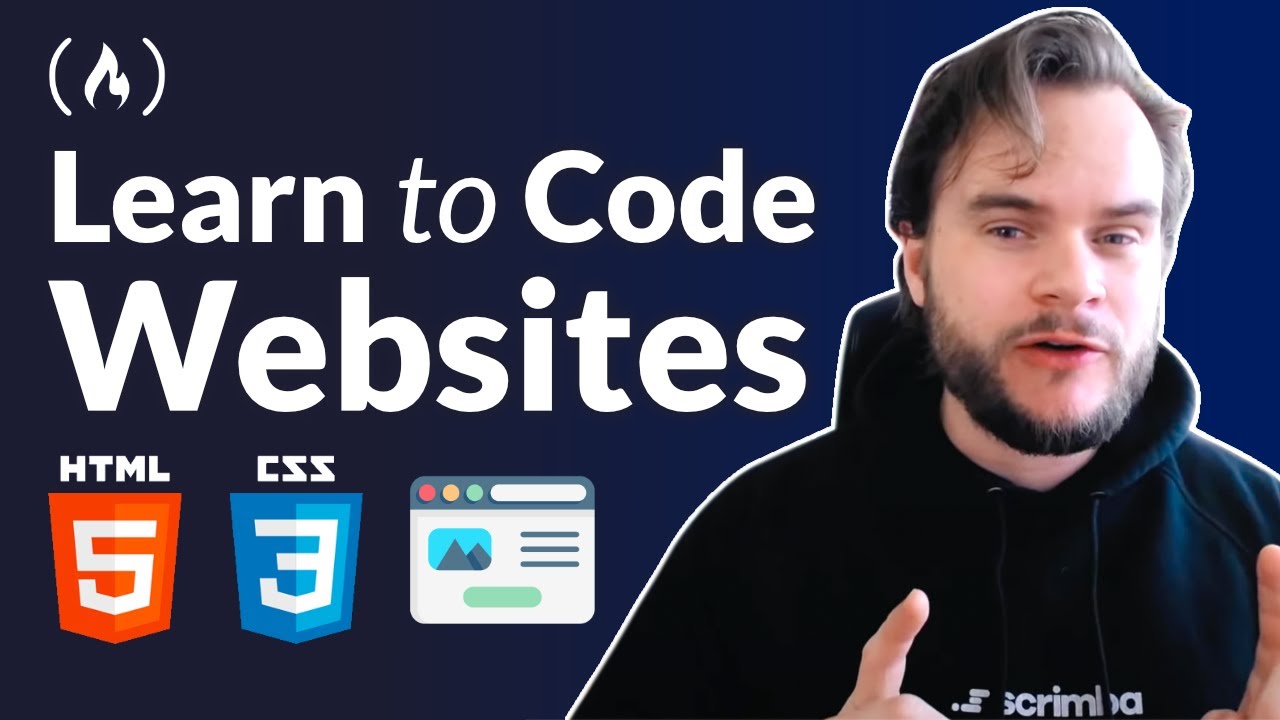
Learn HTML & CSS – Full Course for Beginners
Take this course on CourseBond — completely free to start.
You might be wondering if learning to code is still worth it in 2026. The short answer is yes—especially when it comes to HTML and CSS. These two languages are the absolute foundation of the web. Every website you visit, every button you click, and every layout you admire is built with HTML and CSS at its core.
In 2026, the demand for people who can build and maintain websites isn’t going away. If anything, it’s growing. Small businesses need online storefronts. Freelancers need portfolios. Big companies need landing pages and email templates. Knowing HTML and CSS gives you the ability to create and customize all of these things without relying on expensive drag-and-drop tools that limit your creativity.
Another reason to start now is the rise of no-code tools. While these tools are helpful, they often fall short when you need something specific. When you know HTML and CSS, you can take any template and make it your own. You’re not stuck with what the tool gives you. You have the power to tweak colors, fix broken layouts, and add custom elements.
Finally, learning HTML and CSS is the first step toward more advanced skills like JavaScript, React, or web design. It’s the gateway. Once you understand how to structure content and style it, you can move on to making it interactive. The Learn HTML & CSS – Full Course for Beginners on CourseBond is designed to get you there without overwhelming you.
Who Should Learn Learn HTML & CSS?
HTML and CSS are for everyone. You don’t need a computer science degree or any prior coding experience. Here are a few types of people who will benefit the most:
- Complete beginners – If you’ve never written a line of code, this is the perfect starting point. HTML and CSS are forgiving and visual. You can see your changes instantly in the browser.
- Freelancers and entrepreneurs – Building your own website or landing page saves you money and gives you full control. You can update your site whenever you want without waiting for a developer.
- Marketers and content creators – Understanding HTML and CSS helps you format emails, edit blog posts, and customize landing pages. You’ll be able to fix broken formatting without asking for help.
- Designers – If you’re a graphic or UX designer, knowing how to bring your designs to life in the browser makes you more valuable. You can prototype faster and communicate better with developers.
- Students and career changers – Whether you’re in high school, college, or looking to switch careers, HTML and CSS are low-risk skills to learn. They look great on a resume and open doors to web development roles.
No matter your background, if you have curiosity and a willingness to try, you can learn this. The Learn HTML & CSS – Full Course for Beginners course on CourseBond is built with people like you in mind.
The Best Free Way to Learn Learn HTML & CSS
There are tons of resources out there, but the best way to learn is through a structured, project-based course that doesn’t cost anything. That’s exactly what you get with the Learn HTML & CSS – Full Course for Beginners on CourseBond.
This course is completely free and covers everything from the very basics to building real projects. You won’t just watch videos and forget what you learned. You’ll actually write code and see it come to life. The course walks you through creating a simple webpage step by step, so you build confidence as you go.
Why is this the best option? First, it’s beginner-friendly. The instructor assumes you know nothing, which is perfect if you’re just starting. Second, it’s practical. You learn by doing, not by memorizing syntax. Third, it’s free. No hidden fees, no subscriptions. You can start today without spending a dime.
If you’re serious about learning, this course should be your first stop. It gives you a solid foundation that you can build on later. And because it’s on CourseBond, you can learn at your own pace, revisit lessons anytime, and track your progress.
Learn HTML & CSS Roadmap: From Beginner to Confident Practitioner
Here’s a simple roadmap to guide you from absolute beginner to someone who can build a basic website from scratch. Follow these steps in order, and you’ll be amazed at how quickly you progress.
Step 1: Understand What HTML and CSS Are
HTML (HyperText Markup Language) is the structure of a webpage. Think of it like the skeleton. It holds the content: headings, paragraphs, images, links, and lists. CSS (Cascading Style Sheets) is the skin and clothes. It controls colors, fonts, spacing, and layout. Together, they make a webpage look good and work properly.
Step 2: Learn the Basic HTML Tags
Start with the most common tags: <h1> to <h6> for headings, <p> for paragraphs, <a> for links, <img> for images, and <ul> / <ol> for lists. Practice writing a simple page with a title, a few paragraphs, and an image. Don’t worry about making it pretty yet. Focus on getting the structure right.
Step 3: Add CSS for Styling
Once you have some HTML, add a <style> tag or link to a separate CSS file. Change the background color, font size, and text color. Experiment with margins and padding. The goal here is to see how CSS affects the look of your page. This is where the magic happens.
Step 4: Learn the Box Model
The box model is a key concept in CSS. Every element on a webpage is a rectangular box. Understanding margins, borders, padding, and content will help you control spacing and layout. Spend time playing with these properties until they make sense.
Step 5: Build a Simple Project
Now it’s time to put it all together. Build a personal homepage or a small business landing page. Include a header, a navigation bar, some content sections, and a footer. Use what you’ve learned about HTML structure and CSS styling. This project will be your first real portfolio piece.
Step 6: Learn Flexbox and Grid
Flexbox and CSS Grid are modern layout tools that make positioning elements much easier. Flexbox is great for one-dimensional layouts (like a row of buttons). Grid is perfect for two-dimensional layouts (like a photo gallery). Learn both, and you’ll be able to create complex layouts without struggling.
Step 7: Make It Responsive
A responsive website looks good on all devices—phones, tablets, and desktops. Learn about media queries and relative units like percentages and rem. Practice making your project adapt to different screen sizes. This is a skill that employers and clients value a lot.
Step 8: Keep Building
The best way to get better is to keep building. Try recreating a simple website you like. Build a small blog layout. Create a portfolio page for yourself. Each project will teach you something new. And if you get stuck, the Learn HTML & CSS – Full Course for Beginners on CourseBond has you covered with clear explanations and examples.
Common Mistakes Beginners Make
Everyone makes mistakes when learning to code. That’s normal. But knowing what to watch out for can save you time and frustration. Here are the most common ones:
- Skipping the basics – It’s tempting to jump straight into fancy layouts, but if you don’t understand basic tags and the box model, you’ll get confused. Take your time with the fundamentals.
- Not using semantic HTML – Using
<div>for everything is a bad habit. Learn tags like<header>,<nav>,<main>, and<footer>. They make your code cleaner and more accessible. - Forgetting to close tags – In HTML, most tags need an opening and closing tag. Forgetting a closing tag can break your entire layout. Always double-check.
- Using too many
<br>tags – Line breaks should be used sparingly. Use CSS margins and padding to create space between elements instead. - Ignoring responsive design – Building only for desktop screens is a common mistake. Always test your site on different screen sizes. Learn media queries early.
- Copy-pasting without understanding – It’s fine to look at code from others, but make sure you understand what each line does. Otherwise, you won’t be able to fix things when they break.
The best way to avoid these mistakes is to follow a structured course like the one on CourseBond. It guides you through best practices from the start, so you build good habits.
How to Stay Motivated and Finish the Course
Learning something new takes time, and motivation can fade. Here are some practical tips to keep going:
- Set a small daily goal – Instead of saying “I’ll learn HTML today,” say “I’ll watch two videos and write 10 lines of code.” Small wins add up.
- Build something you care about – Don’t just follow along with generic examples. Create a page about your hobby, your pet, or your favorite movie. When you care about the content, you’ll want to make it look good.
- Join a community – Learning alone can be lonely. Join online forums, Discord servers, or local meetups. Share your progress and ask questions. Other learners can keep you accountable.
- Celebrate small wins – Finished your first page? Got a layout to work? That’s worth celebrating. Acknowledge your progress, even if it feels small.
- Don’t compare yourself to others – Someone else might learn faster or build cooler projects. That doesn’t matter. Focus on your own journey. You’re learning at your own pace.
- Come back to the course when you’re stuck – If you hit a wall, go back to the Learn HTML & CSS – Full Course for Beginners on CourseBond. Re-watch a section. Often, things make more sense the second time.
Remember, every expert was once a beginner. The only way to fail is to give up. Keep going, and you’ll be amazed at what you can create.
Frequently Asked Questions
Do I need any prior experience to learn HTML and CSS?
No, not at all. HTML and CSS are designed to be beginner-friendly. You don’t need to know any programming concepts before starting. If you can use a text editor and a web browser, you have everything you need.
How long does it take to learn HTML and CSS?
It depends on how much time you dedicate. With consistent practice, you can learn the basics in a few weeks and become comfortable enough to build simple websites in a couple of months. The key is to practice regularly, even if it’s just 15 minutes a day.
Can I get a job knowing only HTML and CSS?
While many web development jobs require additional skills like JavaScript, there are roles where HTML and CSS are the main focus. Front-end developer, email developer, and web designer are some examples. Even if you need to learn more later, knowing HTML and CSS is a strong foundation.
Is it better to use a code editor or a text editor?
For beginners, a code editor like Visual Studio Code is highly recommended. It highlights syntax, suggests completions, and makes it easier to spot errors. It’s free and widely used by professionals. You can start with a simple text editor like Notepad, but a code editor will make your life much easier.
What’s the difference between HTML and CSS?
HTML provides the structure and content of a webpage. It tells the browser what to display. CSS controls the appearance. It tells the browser how to display it. Think of HTML as the house frame and CSS as the paint, furniture, and decorations.
Do I need to learn JavaScript after HTML and CSS?
You don’t have to, but it’s a natural next step. JavaScript adds interactivity to your websites—things like buttons that do something, forms that validate input, and animations. Once you’re comfortable with HTML and CSS, learning JavaScript will open up many more possibilities.
Ready to Start Learning?
You’ve made it this far, which means you’re serious about learning HTML and CSS. That’s the most important step. The next step is to take action. Stop overthinking and start building.
The best way to begin is with a structured, free course that walks you through everything step by step. The Learn HTML & CSS – Full Course for Beginners on CourseBond is exactly that. It’s designed for people with zero experience, and it will give you the confidence to create your own websites.
Don’t wait for the perfect moment. The perfect moment is now. Click the link below and start your journey today.
Enroll in Learn HTML & CSS – Full Course for Beginners (free)
