
Why Learn The Design Brief in 2026?
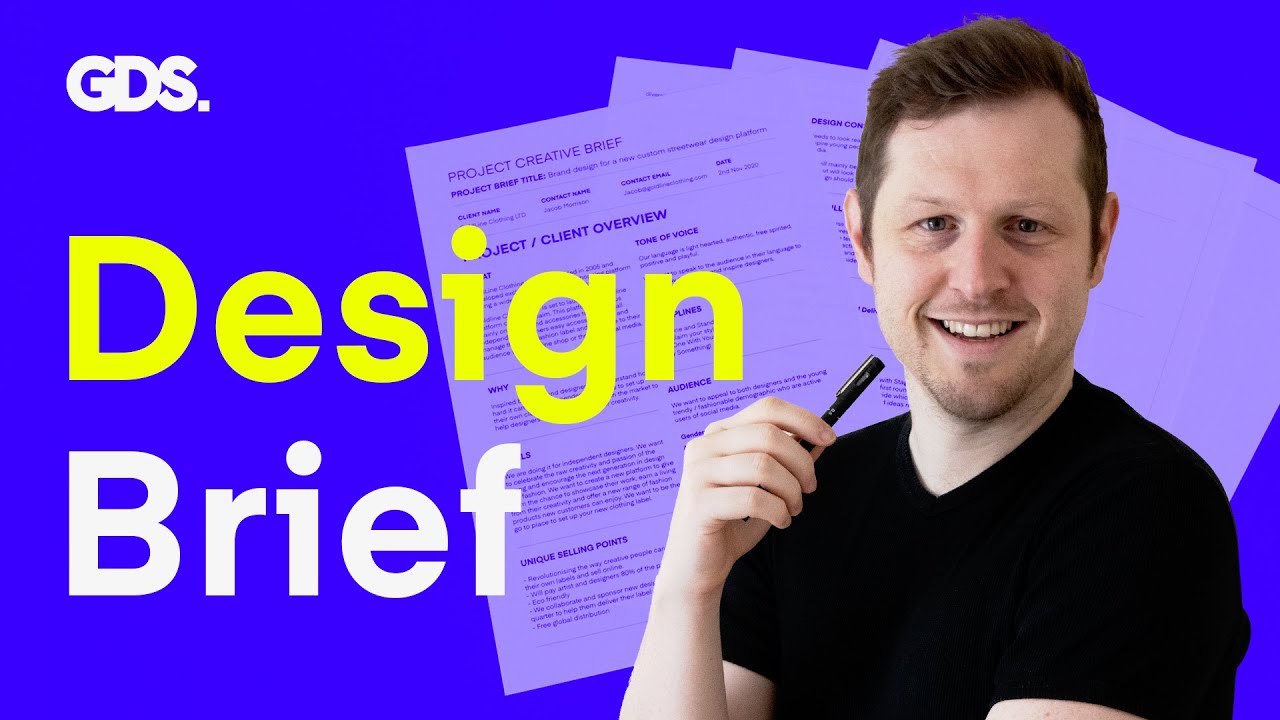
The Design Brief
Take this course on CourseBond — completely free to start.
If you have ever started a creative project only to realize halfway through that you and your client (or your team) were picturing completely different outcomes, you already know the pain of a missing design brief. A design brief is the single most important document you create before any design work begins. It is the blueprint that keeps everyone aligned on goals, audience, budget, and deliverables.
In 2026, the demand for clear communication in creative work is higher than ever. Freelancers are juggling more remote clients. Agencies are using AI tools that require precise input. Even in-house teams are expected to move faster without sacrificing quality. A solid design brief cuts revision cycles in half, saves you from scope creep, and builds trust with stakeholders. Whether you are a graphic designer, a product manager, or a marketer, knowing how to write and use a design brief will set you apart from the competition.
Learning this skill now means you will be ready for the next wave of collaborative tools and remote workflows. The best part? You don’t need expensive software or a degree to master it. You just need a clear process and some practice. That is exactly what the The Design Brief course on CourseBond gives you—a practical, step-by-step framework you can apply immediately.
Who Should Learn The Design Brief?
The short answer: anyone who needs to communicate creative ideas clearly. But let’s break it down into specific groups who will benefit the most.
Freelance Designers and Creative Professionals
If you are a freelance graphic designer, UX/UI designer, illustrator, or web developer, you probably dread the phrase “Can we just change the color?” a dozen times per project. A design brief gives you a document to point back to when scope creep happens. It protects your time and your income. You will learn how to ask the right questions upfront so you spend less time on revisions and more time doing the work you love.
Marketing and Brand Managers
Marketing teams often act as the bridge between clients and creative teams. Without a design brief, you end up with vague requests like “Make it pop” or “Give it a modern feel.” Learning how to write a brief that includes measurable goals, target audience personas, and brand guidelines will make your campaigns more effective and your team less frustrated.
Product Managers and Startup Founders
Building a digital product without a design brief is like building a house without a floor plan. Product managers need to align engineering, design, and business goals. A design brief helps you prioritize features, define user flows, and communicate the product vision to stakeholders. For startup founders, it is an essential tool for pitching to investors or onboarding new team members.
Students and Career Changers
If you are new to the design field, learning to write a design brief is one of the fastest ways to look professional. It shows potential employers that you understand the business side of creativity. The The Design Brief course on CourseBond is perfect for beginners because it assumes no prior experience. You will go from “What is a brief?” to “Here is my portfolio-worthy brief” in a few hours of focused learning.
The Best Free Way to Learn The Design Brief
You might be tempted to buy a $50 book or sign up for a paid bootcamp. But the truth is, you can learn everything you need for free—if you know where to look. The best free resource available right now is the The Design Brief course on CourseBond. It is a complete, structured, and beginner-friendly course that covers every aspect of writing and using a design brief.
Why is this course better than random YouTube tutorials or blog posts? Because it is designed as a learning path, not just a collection of tips. You get video lessons, downloadable templates, and real-world examples. The course walks you through the anatomy of a brief, how to interview clients, how to define project scope, and how to avoid common pitfalls. And since it is hosted on CourseBond, a free online learning marketplace, you can access it anytime without worrying about subscription fees.
I recommend starting with this course even if you already have some experience. The templates alone are worth the time. They will save you hours of starting from scratch on your next project. Plus, the course includes a section on how to present your brief to clients, which is a skill most designers overlook. If you want a shortcut to becoming confident with design briefs, Enroll in The Design Brief (free) and work through it at your own pace.
The Design Brief Roadmap: From Beginner to Confident Practitioner
Learning to write a design brief is not something you master overnight. But with a clear roadmap, you can go from total beginner to someone who writes briefs that impress clients and save projects. Here is a step-by-step path to follow.
Step 1: Understand What a Design Brief Actually Is
Start with the definition. A design brief is a written document that outlines the goals, scope, audience, and constraints of a design project. It is not a creative brief (which focuses on messaging and tone) but a practical blueprint that guides the entire design process. In the The Design Brief course, the first module explains this distinction clearly. Spend time here until you can explain it to a friend in one sentence.
Step 2: Learn the Core Components
Every good design brief contains these elements: project overview, objectives, target audience, deliverables, timeline, budget, and approval criteria. Do not skip any of them. The course breaks each component down with examples. For instance, you will see how a vague objective like “Redesign the website” becomes “Increase mobile conversion rate by 15% within three months.” Practice writing each component for a fictional project—maybe a coffee shop rebrand or a mobile app for pet owners.
Step 3: Master the Client Interview
The best design briefs come from good questions. You need to learn how to interview clients without making them feel interrogated. The course includes a list of essential questions, such as “Who is your ideal customer?” and “What does success look like six months after launch?” Practice these questions with a friend or even by recording yourself. The goal is to extract specific, actionable information, not vague wishes.
Step 4: Write Your First Brief
Now it is time to put pen to paper (or fingers to keyboard). Use the templates from the course. Start with a simple project, like designing a logo for a local bakery. Write a one-page brief that covers all the core components. Share it with someone who has design experience and ask for feedback. The course has a community forum where you can get peer reviews, which is incredibly helpful at this stage.
Step 5: Use the Brief Throughout the Project
A design brief is not a one-and-done document. Refer to it during every phase: research, ideation, prototyping, and delivery. If a client asks for a change, check the brief to see if it aligns with the original objectives. The course teaches you how to handle change requests gracefully. This is where you move from being a beginner to a confident practitioner—you start using the brief as a tool for managing expectations, not just a planning document.
Step 6: Iterate and Refine
After your first few projects, review your briefs. What worked? What was missing? Did you underestimate the timeline? Did you forget to include brand guidelines? The course includes a section on post-project reviews. Use it to create a personal checklist that you can reuse for every future project. Within a few months, writing a design brief will feel like second nature.
Common Mistakes Beginners Make
Even with the best intentions, beginners often fall into traps that undermine their design briefs. Here are the most common mistakes and how to avoid them.
Writing a Brief That Is Too Vague
The biggest mistake is treating the brief like a wish list. Saying “We want a modern, clean look” is not helpful. Instead, specify what “modern” means: minimal whitespace, sans-serif fonts, flat illustrations? The course teaches you to replace adjectives with concrete examples. If you catch yourself writing vague language, stop and ask: “What does that look like in reality?”
Skipping the Target Audience Section
Many beginners focus entirely on the client’s preferences and forget about the end user. A design brief that does not define the target audience is useless. You need to know who you are designing for: their age, goals, pain points, and even their tech habits. The course includes a persona template that makes this easy. Never skip it.
Not Defining Success Metrics
How will you know if the project is successful? If you do not define this in the brief, you will end up with subjective feedback like “I don’t like the color.” Set measurable goals: “Increase click-through rate by 10%” or “Reduce support tickets by 20%.” This protects you from endless revisions and gives you a clear endpoint.
Forgetting to Include Constraints
Every project has constraints: budget, timeline, technical limitations, brand guidelines. Beginners often leave these out because they do not want to seem negative. But constraints are actually helpful—they give you a clear box to work within. The course dedicates an entire module to documenting constraints. Include them early, and you will avoid surprises later.
Treating the Brief as a One-Way Document
A design brief should be a conversation. Send it to the client for review before you start designing. Ask them to sign off on it. If they change their mind later, you have a record of what was agreed upon. The course shows you how to present the brief as a collaborative tool, not a rigid contract. This builds trust and reduces conflict.
How to Stay Motivated and Finish the Course
Self-paced learning is great, but it is easy to start a free course and never finish it. Here are practical strategies to keep you moving through the The Design Brief course on CourseBond.
Set a Weekly Schedule
Block out 30 minutes twice a week in your calendar. Treat it like a meeting you cannot miss. The course is broken into short modules, so you can easily complete one module per session. If you miss a week, do not try to catch up by bingeing three modules at once. Just pick up where you left off.
Apply What You Learn Immediately
The fastest way to stay engaged is to use the material in real life. After you learn how to write an objective, write one for a project you are currently working on—or a fictional one. The course provides templates, so you can practice without pressure. Each time you apply a new concept, you will feel a small win, which fuels motivation.
Join the Community
CourseBond has a discussion area for each course. Introduce yourself, share your first design brief draft, and ask for feedback. Knowing that someone else might see your work creates gentle accountability. Plus, you will learn from other people’s mistakes and successes. It is much harder to quit when you feel part of a group.
Reward Yourself for Milestones
Set small rewards for completing sections. Finished the module on client interviews? Treat yourself to a coffee or a short walk. Completed the entire course? Celebrate with a nice dinner or buy a design resource you have been eyeing. These small celebrations reinforce the habit of finishing what you start.
Remember Your “Why”
Write down one reason you are learning this skill. Maybe you want to land a better freelance client, or you want to feel more confident in your job. Tape that note to your monitor. When you feel your motivation dip, read it. The course is free, but your time is valuable. Investing it now will pay off in fewer revisions, happier clients, and a stronger portfolio.
Frequently Asked Questions
What is the difference between a design brief and a creative brief?
A design brief focuses on the practical aspects of a project: objectives, audience, deliverables, timeline, and budget. A creative brief is more about the emotional and messaging strategy—tone, voice, brand personality. Both are important, but a design brief is the operational document that guides the designer’s daily work. The The Design Brief course covers both and shows you how they complement each other.
How long should a design brief be?
There is no strict rule, but a good design brief is usually one to two pages. It should be long enough to cover all essential components but short enough that a busy client will actually read it. The course provides templates that help you keep it concise without missing critical details. If your brief is longer than three pages, you are probably including too much background information.
Can I use a design brief for personal projects?
Absolutely. Even if you are designing something for yourself—like a personal portfolio website or a logo for a side hustle—a design brief helps you clarify your goals. It prevents you from wandering into endless tweaks. Treat yourself like a client. Write a brief, define success, and stick to it until you hit your target.
What if my client refuses to fill out a design brief?
Some clients see briefs as bureaucracy. In that case, take the lead. Ask them the key questions over a short call or email, and then write the brief yourself. Send it to them with a note: “Here is my understanding of the project. Please confirm this is accurate before I start.” Most clients will appreciate the effort and will quickly correct any misunderstandings. The course includes scripts for exactly this scenario.
Do I need design software to learn this skill?
No. Writing a design brief is about communication, not design tools. You can write it in a simple word processor, Google Docs, or even on paper. The course provides downloadable templates in common formats, so you do not need any special software. The skill itself is what matters, and it transfers to any tool you prefer.
How do I know if my design brief is good?
A good design brief passes the “stranger test.” Give it to someone who knows nothing about the project. If they can read it and describe the project goals, audience, and deliverables accurately, your brief is solid. The course includes a checklist you can use to evaluate your own briefs before you send them to clients.
Ready to Start Learning?
You now have a clear understanding of why a design brief matters, who it helps, and exactly how to learn it step by step. The only thing missing is action. You can spend weeks searching for disjointed tutorials, or you can start a structured, free course that has everything in one place.
The The Design Brief course on CourseBond is waiting for you. It is free, it is beginner-friendly, and it will give you a skill that every designer, marketer, and product manager needs. No fluff, no gatekeeping—just practical knowledge you can use on your very next project.
Click the link below to get started. In a few hours, you will be writing design briefs that save time, reduce stress, and impress your clients. Do not put it off—your future projects will thank you.
Enroll in The Design Brief (free)
