
Why Learn Growth Mindset in 2026?
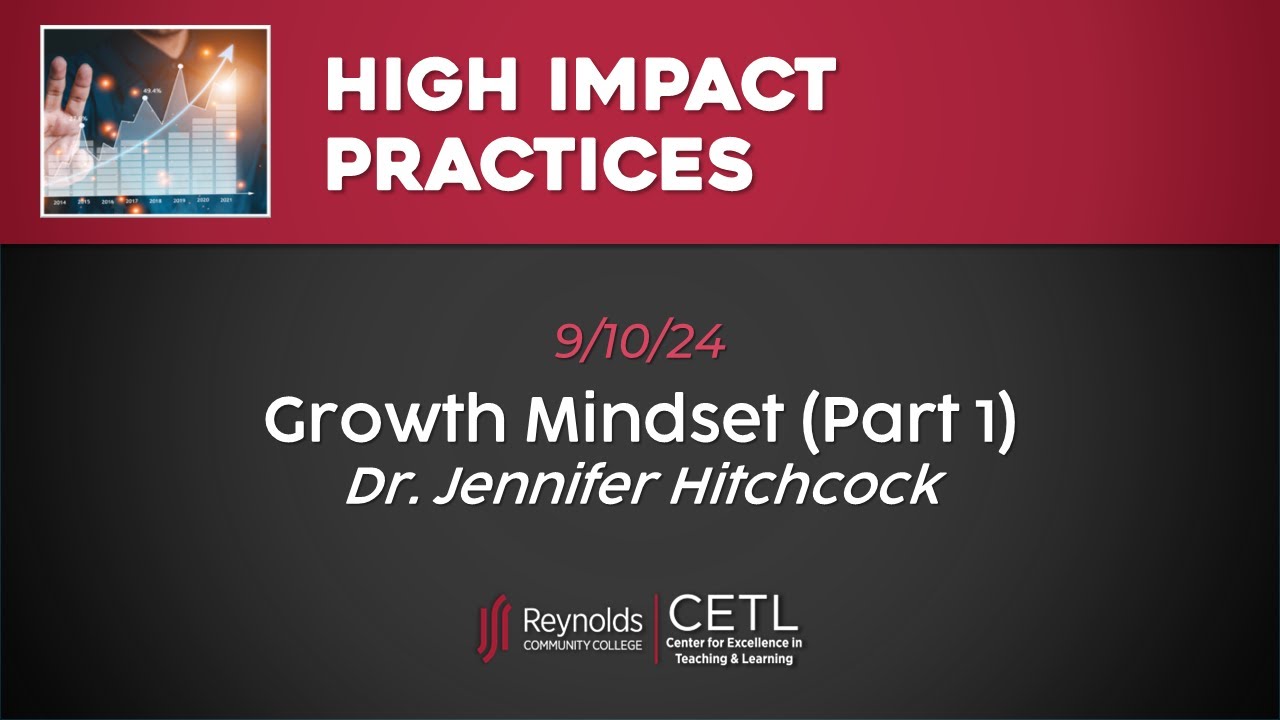
Growth Mindset (Full, Part 1/2)
Take this course on CourseBond — completely free to start.
You’ve probably heard the term thrown around in boardrooms, classrooms, and self-help podcasts. But what does a growth mindset actually mean for you in 2026? Simply put, it’s the belief that your abilities aren’t fixed—they can be developed through effort, learning, and persistence. The opposite is a fixed mindset, where you believe talent is something you’re born with, and failure is a permanent label.
In 2026, this idea is more practical than ever. The world is moving fast. New tools, technologies, and ways of working appear constantly. If you hold a fixed mindset, every new challenge feels like a threat to your ego. You avoid difficult tasks because you’re afraid of looking stupid. But with a growth mindset, you see challenges as puzzles to solve and failures as data points. This shift doesn’t just make you feel better—it makes you more adaptable.
Consider how work has changed. Remote collaboration, AI tools, and shifting job roles mean that what worked five years ago might not work today. A growth mindset helps you stay curious rather than defensive. It turns “I can’t do this” into “I can’t do this yet.” That one word—yet—is powerful. It opens the door to learning.
Beyond work, a growth mindset improves relationships. When you believe people can change, you’re more patient, more willing to give feedback, and less likely to hold grudges. It also boosts resilience. You stop seeing setbacks as the end of the road and start seeing them as detours. If you’ve ever felt stuck in a rut—whether in your career, hobbies, or personal growth—learning this mindset is the lever that gets you unstuck.
The best part? You don’t need to be a psychology expert to learn it. It’s a skill, just like cooking or coding. And like any skill, it starts with understanding the basics and practicing consistently. That’s exactly what the Growth Mindset (Full, Part 1/2) course on CourseBond is designed to help you do. It breaks down the science and gives you actionable steps, all for free.
Who Should Learn Growth Mindset?
Honestly? Almost everyone can benefit. But let’s get specific about who will see the biggest transformation.
- Students and lifelong learners: If you’re studying for exams, learning a new language, or picking up a technical skill, a growth mindset stops you from giving up when things get hard. Instead of thinking “I’m just bad at math,” you start asking “What strategy am I missing?”
- Professionals facing change: Are you in a industry that’s shifting—like marketing, tech, or healthcare? A growth mindset helps you embrace retraining and upskilling rather than fearing obsolescence.
- Managers and team leaders: Leading people is easier when you believe they can improve. You’ll give better feedback, foster innovation, and build a culture where people aren’t afraid to fail forward.
- Parents and educators: How you praise children matters. Praising effort (“You worked so hard on that!”) instead of talent (“You’re so smart!”) builds resilience. Learning a growth mindset helps you model that behavior.
- Anyone feeling stuck: Maybe you’ve been procrastinating on a big goal, or you feel like you’ve hit a ceiling. A growth mindset isn’t magic—but it will help you see that your current situation isn’t permanent.
If you nodded along to any of those, you’re in the right place. The free Growth Mindset (Full, Part 1/2) course on CourseBond is built for beginners, so you don’t need any prior knowledge. It’s like having a coach walk you through the mental shift step by step.
The Best Free Way to Learn Growth Mindset
Let’s cut to the chase: you don’t need to spend hundreds of dollars on a seminar or buy a stack of books you’ll never finish. The most practical, structured, and completely free way to learn growth mindset right now is through the Growth Mindset (Full, Part 1/2) course on CourseBond.
Why this course? First, it’s not just theory. It walks you through the core concepts—like the difference between fixed and growth mindset, how your brain forms new pathways (neuroplasticity), and how to reframe negative self-talk. But it also gives you exercises. You’ll actually practice catching your fixed-mindset voice and replacing it with something more constructive.
Second, it’s broken into manageable chunks. You don’t need to carve out hours of your day. Each section is focused, so you can learn during a lunch break or while winding down in the evening. And because it’s part of a two-part series, you get a solid foundation without being overwhelmed.
Third, CourseBond is a free online learning marketplace. That means no paywalls, no hidden fees, no “free trial” that expires. You can revisit the material as many times as you need. For a topic like mindset, repetition is key. The first time you hear a concept, it might not stick. But the second or third time? It starts to rewire your thinking.
Finally, the course is designed by someone who understands how to teach beginners. It avoids academic jargon and gets straight to what you can do differently tomorrow morning. If you’re serious about making a change, this is the smartest place to start.
Growth Mindset Roadmap: From Beginner to Confident Practitioner
Learning a growth mindset isn’t a one-time event. It’s a practice. Here’s a simple roadmap you can follow, starting today.
Week 1: Understand the Basics
Start by learning what a growth mindset actually is—and isn’t. It’s not about positive thinking or pretending everything is great. It’s about believing you can improve. Watch the first few modules of the Growth Mindset (Full, Part 1/2) course. Pay attention to the examples of fixed vs. growth mindset in action. Write down one area of your life where you tend to have a fixed mindset (e.g., “I’m not good at public speaking”). That’s your starting point.
Week 2: Catch Your Inner Critic
Your brain has automatic thoughts. “I’ll never get this.” “I’m not smart enough.” This week, your only job is to notice them. Don’t try to change them yet—just observe. Keep a simple log. When you catch a fixed-mindset thought, write it down. You’ll start to see patterns. The course has a specific exercise for this, so make sure you complete it.
Week 3: Reframe the Story
Now that you’ve noticed your fixed-mindset thoughts, it’s time to question them. For each thought, ask: “Is this 100% true? What evidence do I have that I can improve?” Replace “I can’t do this” with “I can’t do this yet.” Replace “I’m bad at this” with “I’m learning how to do this.” Practice out loud if you need to. It feels awkward at first, but that’s normal.
Week 4: Embrace Challenges
This is where the rubber meets the road. Pick one small challenge you’ve been avoiding—maybe it’s asking a question in a meeting, trying a new recipe, or learning a basic coding concept. Do it. When you feel frustrated, pause and remind yourself that struggle is part of learning. The course calls this “the power of yet.” Use it as a mantra.
Month 2: Seek Feedback and Learn from Failure
People with a fixed mindset avoid feedback because it feels like criticism. People with a growth mindset seek it because it’s a shortcut to improvement. Ask a trusted friend or colleague for honest feedback on something you’re working on. When you fail (and you will—everyone does), analyze it like a scientist. What went wrong? What could you try differently? Write down three lessons from the failure.
Month 3 and Beyond: Make It a Habit
By now, the growth mindset is starting to feel more natural. But old habits die hard. Keep revisiting the course material. Join a community of learners if you can. Talk about what you’re learning with someone else—teaching is the best way to solidify knowledge. Set a monthly reminder to review your fixed-mindset triggers. The goal isn’t perfection; it’s progress.
Throughout this roadmap, the Growth Mindset (Full, Part 1/2) course is your anchor. Re-watch sections when you feel stuck. Use the exercises as a checklist. It’s free, so there’s no pressure to rush.
Common Mistakes Beginners Make
Even with the best intentions, beginners often trip over the same hurdles. Here’s what to watch out for.
- Confusing growth mindset with blind optimism. A growth mindset doesn’t mean saying “I can do anything!” without effort. It means believing you can improve with effective strategies and effort. If you fail at something, you still need to analyze how you failed, not just smile and try the same thing again.
- Only focusing on effort, not strategy. Praising effort is good, but if you’re using a terrible strategy, more effort won’t help. A growth mindset also means being willing to change your approach. The course covers this—pay attention to the section on “learning strategies.”
- Expecting instant results. Your brain has been wired for years. You won’t become a growth-mindset guru in a week. When you backslide (and you will), don’t beat yourself up. That’s a fixed-mindset reaction. Instead, say, “Okay, I slipped. What can I learn from this?”
- Ignoring the emotional side. Changing your mindset can feel uncomfortable. You might feel frustrated, sad, or even angry when you realize how much your fixed mindset has held you back. That’s normal. Allow yourself to feel it, then move forward. The course includes tips for managing these emotions.
- Not applying it to real life. Watching videos and reading articles is passive. You have to actually do the exercises. If the course asks you to write down a fixed-mindset thought, do it. If it asks you to try a new challenge, try it. Knowledge without action is just trivia.
By being aware of these pitfalls, you’ll save yourself weeks of frustration. The Growth Mindset (Full, Part 1/2) course is designed to help you avoid them, but only if you follow along actively.
How to Stay Motivated and Finish the Course
Let’s be real: motivation comes and goes. Some days you’ll be fired up; other days you’ll want to binge-watch a show instead. That’s okay. The key is to build a system that works even when motivation is low.
Set a tiny, consistent habit. Don’t aim to “finish the course in a week.” Aim to do 10 minutes of the course every day. That’s it. Ten minutes is easy. Some days you’ll do more; some days you’ll stop at ten. But the consistency will build momentum. Before you know it, you’ll be halfway through.
Connect it to a bigger “why.” Why do you want a growth mindset? Maybe it’s to get a promotion, to be a better parent, or to finally learn to play guitar. Write that reason down and put it somewhere you’ll see it. When you feel like skipping a session, read it out loud. Remind yourself that every small step is moving you toward that goal.
Pair it with something you enjoy. Listen to the course while you’re on a walk, doing dishes, or stretching. Making it pleasant increases the chance you’ll stick with it. The course is audio-friendly, so you can learn hands-free.
Track your progress. Use a simple checklist or app. Mark off each module you complete. Seeing a visual record of your progress is surprisingly satisfying. It gives you a little dopamine hit that keeps you going.
Find an accountability partner. Tell a friend or family member that you’re taking the course. Ask them to check in with you once a week. Just knowing someone else knows about your goal can be enough to keep you on track.
And remember: the Growth Mindset (Full, Part 1/2) course is free. There’s no financial pressure. But there’s also no penalty if you pause for a week. Just come back. The material will be waiting for you, and your brain will still be ready to learn.
Frequently Asked Questions
Is a growth mindset something you’re born with?
No. It’s a learned belief system. Some people may be naturally more inclined toward it, but anyone can develop it with practice. Your brain is capable of change throughout your life—that’s neuroplasticity. The course explains this in plain language.
Can a growth mindset help with anxiety or depression?
It’s not a substitute for professional mental health care. However, a growth mindset can help you approach challenges with more flexibility and less fear of failure. It teaches you to see setbacks as temporary and solvable. If you’re struggling with your mental health, please seek support from a qualified professional first.
How long does it take to develop a growth mindset?
There’s no fixed timeline. Some people notice a shift in a few weeks. For others, it takes months of consistent practice. The key is to focus on the process, not the deadline. The course is split into two parts, so you can go at your own pace. Don’t rush—the goal is lasting change.
What if I try the course and still feel stuck?
That’s normal. Sometimes you need to hear a concept multiple times before it clicks. Go back and re-watch a module you found confusing. Try the exercises again. Also, talk to someone about what you’re learning. Explaining it to another person forces you to clarify your own understanding.
Is this course suitable for children or teenagers?
Yes, the concepts are universal. However, the course is designed for a general adult audience. If you’re a parent or teacher, you can learn the material and then adapt it for younger learners. The core idea—praising effort over talent—is especially valuable for kids.
Do I need to take Part 2 after Part 1?
Part 1 gives you the foundation. Part 2 goes deeper into advanced strategies and real-world applications. It’s highly recommended if you want to master the mindset. Both are free on CourseBond, so there’s no reason not to continue.
Ready to Start Learning?
You now know what a growth mindset is, why it matters, and exactly how to learn it. The only thing left is to take the first step. You don’t need to wait for a perfect moment or until you feel “ready.” You’re ready right now, because you’re curious enough to read this far.
Imagine looking back a year from now. You could be the same person, stuck in the same patterns. Or you could be someone who faces challenges with curiosity instead of fear, who learns from failure, and who keeps growing. That person is already inside you. You just need to give them the tools.
The best tool is right here, and it’s free. No credit card, no commitment, no fluff. Just clear, practical lessons that will change how you think about yourself and your potential.
Enroll in Growth Mindset (Full, Part 1/2) (free) and start building the mindset that will carry you through 2026 and beyond.
