

Why Learn Graphic Design Theory Classes in 2026?
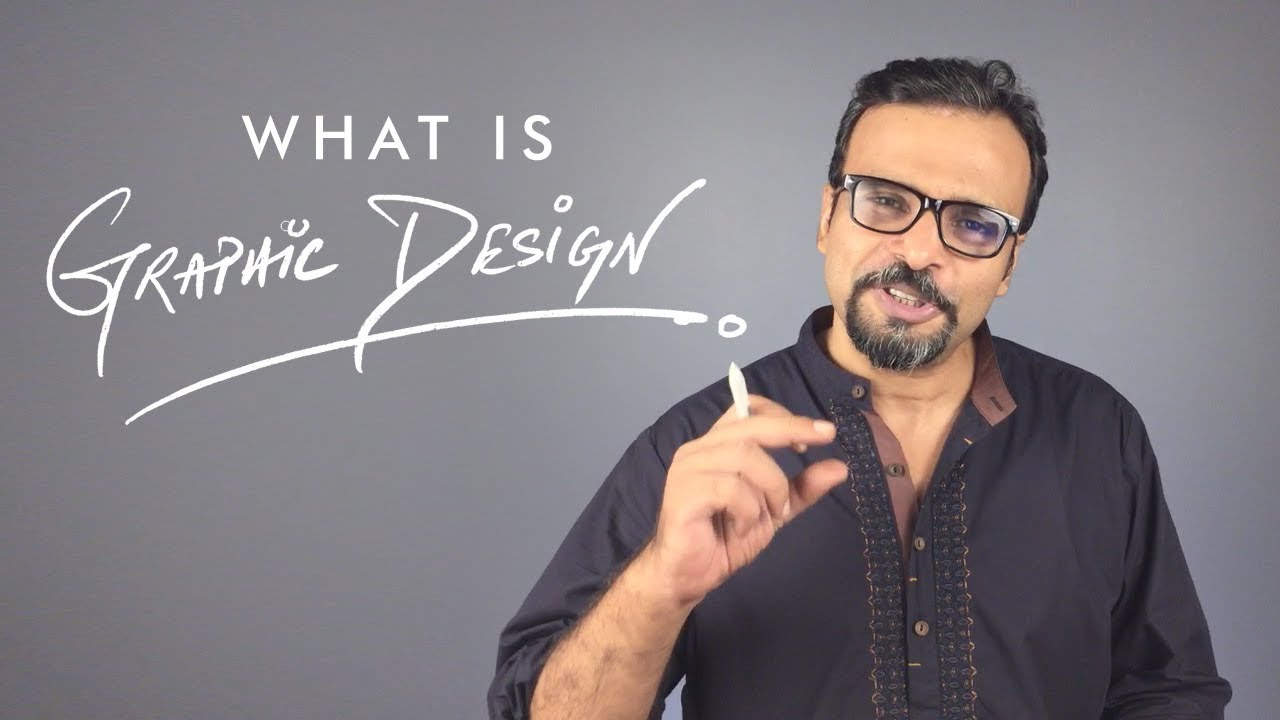
Graphic Design Theory Classes
Take this course on CourseBond — completely free to start.
You might be thinking, “Graphic design theory? Isn’t that just for academics or people who want to be art critics?” And it’s a fair question, especially in an age where AI can generate images in seconds. But here’s the thing: understanding graphic design theory isn’t about memorizing rules; it’s about learning the fundamental language of visual communication. It’s about understanding why something looks good, why it’s effective, and how to intentionally create designs that resonate with an audience.
In 2026, the demand for truly effective design is higher than ever. With so much content vying for attention, designs that stand out and communicate clearly are invaluable. Here’s why diving into graphic design theory now is a smart move:
- Beyond the Tools: Anyone can learn to use Photoshop or Canva. But knowing when to use a certain font, why a particular color palette works, or how to arrange elements to guide the viewer’s eye – that’s where theory comes in. It elevates you from a tool operator to a visual storyteller.
- Future-Proofing Your Skills: Software changes, trends come and go, but the principles of design – balance, contrast, hierarchy, rhythm – are timeless. Mastering these gives you a foundational skill set that adapts to any new technology or design paradigm.
- Solving Real-World Problems: Good design isn’t just pretty; it solves problems. Whether it’s making a complex infographic easy to understand, designing a website that converts visitors, or creating a logo that embodies a brand’s essence, theory provides the framework for effective problem-solving.
- Better Collaboration: When you understand design theory, you can articulate your design choices more effectively. This leads to clearer communication with clients, colleagues, and developers, resulting in smoother projects and better outcomes. Instead of saying, “I just like it,” you can explain, “The strong contrast here creates a focal point, drawing the eye to the call to action, which aligns with our goal of increasing conversions.”
- Developing Your Unique Voice: While theory provides guidelines, it also empowers you to break them intentionally. Once you understand the “rules,” you can creatively bend or break them to develop a unique style that truly sets your work apart.
- Enhanced Appreciation for Design: Learning theory isn’t just about creating; it’s also about seeing. You’ll start to notice the subtle design choices in everything around you – from product packaging to street signs – and appreciate the artistry and intention behind them.
Think of it this way: a chef needs to understand the basic principles of cooking – how heat affects ingredients, how flavors combine – before they can create a truly innovative dish. Similarly, a graphic designer needs to understand the basic principles of visual communication before they can create truly impactful and original work. The Graphic Design Theory Classes course on CourseBond is an excellent starting point for building this essential foundation.
Who Should Learn Graphic Design Theory Classes?
The beauty of graphic design theory is its broad applicability. While it’s obviously essential for aspiring graphic designers, many other roles and individuals can benefit immensely from understanding these core principles. If you fall into any of these categories, learning graphic design theory is a smart investment of your time:
- Aspiring Graphic Designers: This is a no-brainer. If you dream of creating logos, websites, brochures, or any other visual communication, theory is your bedrock. It’s what differentiates a professional designer from someone who just knows how to use software.
- Freelancers and Entrepreneurs: Whether you’re building your own brand, creating marketing materials, or designing social media graphics, understanding design theory will help you create professional, effective visuals that attract customers and convey credibility. You might not have the budget to hire a designer for everything, so having a solid grasp of the basics is invaluable.
- Marketers and Content Creators: In today’s visual-first world, marketers need to understand how visuals impact engagement and conversion. Knowing design theory helps you brief designers more effectively, critique designs constructively, and even create better visuals for your own social media posts, ads, or blog headers.
- Web Developers and UI/UX Designers: While developers focus on functionality and UX designers on user experience flows, understanding visual design theory is crucial for creating interfaces that are not only functional but also aesthetically pleasing and intuitive. Good visual hierarchy, color usage, and typography greatly enhance the user experience.
- Students in Related Fields: If you’re studying art, media, communication, or even business, a foundational understanding of graphic design theory will give you a significant edge in projects, presentations, and future career paths.
- Anyone Who Wants to Improve Their Visual Communication: Maybe you just want to make your personal presentations more impactful, design better invitations for events, or even improve the aesthetics of your social media profile. Design theory isn’t just for professionals; it’s for anyone who wants to communicate more effectively through visuals.
- Hobbyists and Creatives: If you enjoy creating digital art, scrapbooking, photography, or any other visual pursuit, understanding design theory will deepen your appreciation for the craft and equip you with tools to make your creations even more compelling.
Essentially, if you interact with visuals in any meaningful way, either by creating them or interpreting them, graphic design theory will provide you with a powerful framework for understanding and improving that interaction. The Graphic Design Theory Classes course is designed to be accessible to all these groups, offering a comprehensive introduction to core principles.
The Best Free Way to Learn Graphic Design Theory Classes
In the past, learning graphic design theory often meant expensive art school tuition or poring over dense textbooks. Thankfully, the digital age has democratized education, making high-quality learning accessible to everyone. When it comes to the “best free way” to learn, it’s less about a single magical resource and more about a strategic approach that leverages the wealth of free content available online.
Here’s how you can best approach learning graphic design theory without spending a dime:
- Structured Online Courses (Like CourseBond’s): This is arguably the most efficient and comprehensive free method. Platforms like CourseBond offer curated courses that guide you through topics in a logical progression. The Graphic Design Theory Classes course on CourseBond is specifically designed for beginners, breaking down complex concepts into digestible lessons. It provides a syllabus, lectures (often video-based), and sometimes even exercises, giving you a structured learning path that you won’t get from just watching random YouTube videos. This structured approach ensures you cover all the essential ground without missing key concepts.
- YouTube Channels: YouTube is a treasure trove of design tutorials and explanations. Look for channels dedicated to graphic design principles, art theory, and even specific software tutorials that touch upon theoretical concepts. Channels like The Futur, Satori Graphics, and even some university channels offer excellent insights. The key here is to be discerning; not all content is created equal. Look for instructors who explain concepts clearly and provide practical examples.
- Design Blogs and Articles: Many prominent design agencies, software companies, and individual designers maintain blogs packed with articles explaining design principles, case studies, and best practices. Websites like Smashing Magazine, A List Apart, and Adobe’s design blog are fantastic resources. These often go deeper into specific topics than a general video might.
- Free Ebooks and PDFs: A quick search can often unearth free ebooks or downloadable guides on graphic design basics, color theory, typography, and layout principles. Universities sometimes offer free resources, and some design educators provide introductory materials for free to attract students to their paid offerings.
- Online Design Communities and Forums: Websites like Reddit (r/graphic_design, r/design), Behance, and Dribbble aren’t just for showcasing work; they’re also places where designers discuss theory, offer feedback, and share resources. Engaging with these communities can provide practical insights and answer specific questions.
- Analyze Existing Designs: Once you start learning the principles, become an active observer. Look at everything around you – websites, advertisements, packaging, magazines, apps. Try to deconstruct why certain designs work or don’t work. Identify the use of color, typography, layout, and hierarchy. This real-world application of theory is incredibly powerful for solidifying your understanding.
The “best” way often involves combining these methods. Start with a structured course like the Graphic Design Theory Classes on CourseBond to get a solid foundation. Then, supplement that learning with YouTube videos for visual examples, blog articles for deeper dives into specific topics, and actively analyze designs in your environment. Consistent practice and critical observation are key.
Graphic Design Theory Classes Roadmap: From Beginner to Confident Practitioner
Learning graphic design theory isn’t a race; it’s a journey. A structured roadmap can help you navigate the concepts effectively, ensuring you build a strong foundation before moving on to more complex ideas. This roadmap is designed to take you from a complete beginner to someone who confidently applies design theory in their work.
Phase 1: The Absolute Basics – Seeing Like a Designer
This initial phase focuses on introducing the fundamental building blocks of visual communication. Think of it as learning the alphabet before you can write sentences.
- Introduction to Design: What is graphic design? What is its purpose? Understand the difference between art and design (design solves a problem).
- Elements of Design:
- Line: Types of lines, their psychological impact, and how they create direction and division.
- Shape: Geometric vs. organic shapes, positive and negative space, and their role in composition.
- Form: How to create the illusion of 3D on a 2D surface.
- Color: The color wheel, primary/secondary/tertiary colors, tints, shades, tones, color models (RGB, CMYK), and basic color psychology. This is a big one!
- Texture: Visual vs. tactile texture, and how to imply texture in digital design.
- Space: Positive and negative space, white space, and how it impacts readability and visual hierarchy.
- Type: Introduction to typography, basic font classifications (serif, sans-serif, script), and the emotional impact of typefaces.
- Principles of Design (Introduction): Get a high-level overview of the major principles. You’ll dive deeper into these later.
- Contrast
- Hierarchy
- Balance
- Alignment
- Proximity
- Repetition
- Practical Exercise: Start collecting examples of good and bad design. Try to identify the basic elements in everyday objects. Sketch simple shapes and lines.
Phase 2: Building Blocks – Understanding Relationships
Now that you know the individual elements, this phase focuses on how they interact and relate to each other to create cohesive and effective designs. This is where you start understanding the “why” behind design choices.
- Deep Dive into Principles of Design:
- Contrast: How to use differences in size, color, shape, and type to create visual interest and highlight important information.
- Hierarchy: Guiding the viewer’s eye through a design using size, color, placement, and typography to indicate importance.
- Balance: Symmetrical vs. asymmetrical balance, and how to create visual equilibrium.
- Alignment: The power of invisible lines to create order, professionalism, and readability.
- Proximity: Grouping related items together to create structure and reduce clutter.
- Repetition: Using consistent elements to create unity, rhythm, and brand recognition.
- Rhythm & Movement: How to create a visual flow that directs the eye through a composition.
- Unity & Variety: Combining elements to create a cohesive whole while maintaining visual interest.
- Advanced Color Theory: Color harmonies (monochromatic, analogous, complementary, triadic), cultural implications of color, and how to build effective color palettes.
- Advanced Typography: Pairing fonts, kerning, leading, tracking, hierarchy in type, choosing fonts for different purposes, and readability.
- Composition & Layout: The Rule of Thirds, Golden Ratio, grid systems, and how to arrange elements effectively on a page or screen.
- Practical Exercise: Recreate existing designs by analyzing their use of principles. Design simple posters or social media graphics applying specific principles (e.g., a poster emphasizing contrast and hierarchy).
Phase 3: Application & Context – Designing with Purpose
In this phase, you start applying theoretical knowledge to specific design contexts and understanding the broader implications of your design choices.
- Visual Communication & Storytelling: How to use design to convey a message, evoke emotion, and tell a story effectively.
- Branding Basics: Introduction to brand identity, logo design principles, and how theory applies to creating consistent brand visuals.
- User Interface (UI) Design Principles: How design theory applies to digital interfaces for usability and aesthetics (e.g., button states, navigation, iconography).
- Print Design Considerations: Bleed, margins, resolution, and color modes for print.
- Web Design Considerations: Responsive design, screen sizes, accessibility basics, and web-safe fonts.
- Design Ethics & Accessibility: Designing inclusively, considering color blindness, readability for all, and avoiding harmful stereotypes.
- Practical Exercise: Design a simple brand identity (logo, color palette, typography) for a fictional company. Design a basic landing page layout applying UI principles.
Phase 4: Refinement & Practice – Becoming a Confident Practitioner
This final phase is about continuous learning, critical self-assessment, and integrating theory seamlessly into your design workflow.
- Critique & Feedback: Learning how to give and receive constructive criticism based on design theory.
- Developing a Critical Eye: Continuously analyzing professional work and your own work through the lens of design principles.
- Building a Portfolio: Creating projects that demonstrate your understanding and application of design theory.
- Staying Updated: Following design trends (while understanding underlying principles), new tools, and evolving best practices.
- Continuous Practice: The more you design with theory in mind, the more intuitive it becomes.
Throughout this roadmap, remember that the Graphic Design Theory Classes on CourseBond can serve as your primary guide, providing structured lessons and practical examples for each stage. Don’t rush; take your time to understand each concept before moving on.
Common Mistakes Beginners Make
Every journey has its pitfalls, and learning graphic design theory is no exception. Being aware of common mistakes can help you avoid them, making your learning process smoother and more effective.
- Skipping Theory for Tools: This is perhaps the most common mistake. Beginners often jump straight into learning Photoshop or Illustrator without understanding why they’re making certain design choices. They can operate the software, but their designs lack purpose, effectiveness, and aesthetic appeal. Remember, theory is the blueprint; software is just the hammer.
- Overcomplicating Designs: The “more is more” mentality. Beginners often try to use every color, font, and effect they discover. This leads to cluttered, confusing, and ineffective designs. Good design often involves thoughtful restraint and simplicity.
- Ignoring Hierarchy: Without a clear visual hierarchy, all elements on a page scream for attention, and nothing gets heard. Users won’t know where to look first or what information is most important. This makes designs difficult to read and understand.
- Poor Font Choices and Pairing: Using too many fonts, choosing unreadable fonts, or pairing fonts that clash are common errors. Typography is a powerful tool, but misuse can quickly undermine a design’s professionalism and readability.
- Inconsistent Alignment: Misaligned elements create visual chaos and make a design look amateurish. Even slight misalignments can be jarring. Always use grids and guides to ensure everything lines up perfectly.
- Bad Color Combinations: Using colors that clash, are difficult to read together (low contrast), or convey the wrong emotion for the message. Understanding color theory is crucial to creating harmonious and effective palettes.
- Not Utilizing White Space (Negative Space): Beginners often try to fill every available inch of a design. White space isn’t empty; it’s a powerful design element that helps create breathing room, improves readability, and draws attention to key elements.
- Lack of Contrast: If elements don’t have enough contrast (in color, size, or weight), they blend together and become hard to distinguish, diminishing impact and readability.
- Copying Without Understanding: While it’s great to draw inspiration, simply copying a design without understanding the underlying theoretical principles makes it difficult to adapt or create original work. Analyze why a design works, don’t just replicate it.
- Fear of Feedback: Critiques are invaluable for growth. Beginners sometimes shy away from showing their work or get defensive when receiving feedback. Embrace constructive criticism as an opportunity to learn and improve.
- Not Practicing Consistently: Like any skill, design theory needs consistent application. Don’t just
Related Free Courses
