
Why Learn Tools for Managing Stress & Anxiety in 2026?
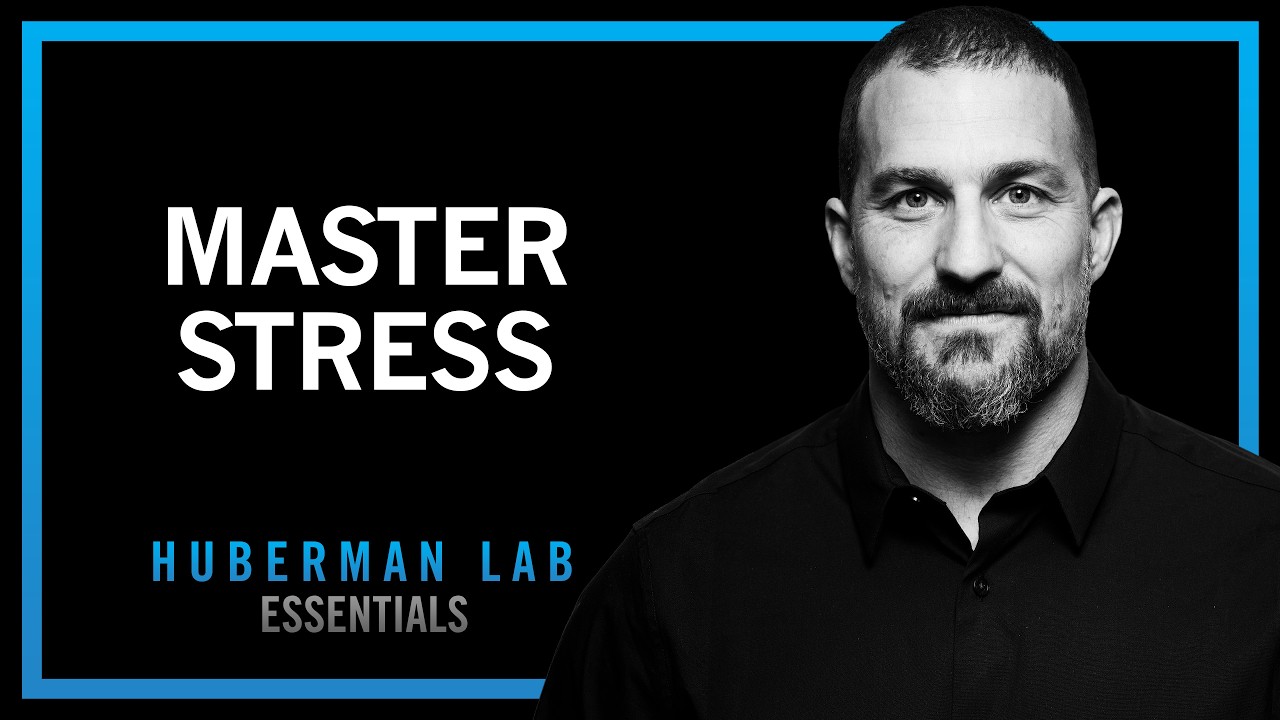
Tools for Managing Stress & Anxiety | Huberman Lab Essentials
Take this course on CourseBond — completely free to start.
Stress and anxiety aren’t going anywhere. In fact, the pace of modern life—constant notifications, economic uncertainty, and information overload—makes them more persistent than ever. By 2026, the ability to regulate your nervous system will be as essential as knowing how to manage your email inbox. But here’s the good news: you don’t need a therapist’s couch or a prescription pad to build real, lasting calm. You need practical, science-backed tools that work with your biology, not against it.
Learning these tools now means you can stop reacting to stress and start responding to it. When you understand how your brain and body produce anxiety, you can short-circuit the cycle before it spirals. The Tools for Managing Stress & Anxiety | Huberman Lab Essentials course on CourseBond gives you exactly that—a clear, no-nonsense framework based on neuroscience, not fluff. You’ll learn why a 90-second breathing pattern can reset your panic, how cold exposure changes your stress threshold, and why your morning sunlight ritual matters more than any app. These aren’t trends; they are protocols that work because they leverage how your nervous system evolved.
By investing a few hours now, you’ll save yourself years of trial and error. You’ll move from feeling helpless to feeling equipped. And in a world that keeps asking more from you, having a toolkit for calm isn’t a luxury—it’s a necessity.
Who Should Learn Tools for Managing Stress & Anxiety?
This guide is for anyone who has ever felt their chest tighten before a meeting, or lain awake at 3 AM replaying conversations. It’s for the student juggling exams, the parent managing a household, the entrepreneur building a business, and the professional navigating a demanding career. If you’ve tried meditation apps and found them frustrating, or if you’ve been told to “just relax” and felt even worse, this is for you.
Specifically, you’ll benefit if:
- You experience frequent physical symptoms of stress—racing heart, shallow breathing, tense shoulders.
- You want evidence-based techniques, not vague advice about “self-care.”
- You’re curious about how your brain works and why anxiety feels so physical.
- You’ve tried other methods (therapy, medication, lifestyle changes) and want to supplement them with practical daily habits.
- You’re a coach, teacher, or healthcare professional who wants to help others regulate stress.
No prior knowledge of neuroscience or psychology is needed. The Tools for Managing Stress & Anxiety | Huberman Lab Essentials course on CourseBond assumes you’re starting from scratch. It strips away jargon and gives you actions you can take immediately. Whether you’re a complete beginner or someone who has read a dozen books on anxiety, you’ll find new insights and protocols you can put into practice today.
The Best Free Way to Learn Tools for Managing Stress & Anxiety
There are thousands of articles, YouTube videos, and paid programs promising to fix your anxiety. Most of them recycle the same generic advice: breathe deeply, exercise more, get better sleep. While those things matter, they rarely explain why they work or how to do them effectively when you’re in the middle of a panic attack.
The best free way to learn is through a structured, science-based course that cuts through the noise. That’s exactly what you get with the Tools for Managing Stress & Anxiety | Huberman Lab Essentials course on CourseBond. It’s completely free to enroll, and it distills complex neuroscience into simple, repeatable protocols. You won’t find ads, product placements, or vague wellness jargon. Instead, you’ll get step-by-step instructions for techniques like:
- Physiological Sigh: A two-breath pattern that rapidly lowers stress in under 30 seconds.
- Cyclic Hyperventilation: A breathing method that can shift your nervous system from sympathetic (fight-or-flight) to parasympathetic (rest-and-digest).
- Cold Exposure Protocols: How brief cold showers or ice baths can increase your stress tolerance over time.
- Visualization Techniques: Mental rehearsal that primes your brain to handle anxiety-provoking situations.
Because it’s on CourseBond, you can learn at your own pace, revisit any lesson, and access it from any device. No deadlines, no pressure, no cost. If you’ve been overwhelmed by conflicting advice, this course gives you a single, reliable source of truth.
Tools for Managing Stress & Anxiety Roadmap: From Beginner to Confident Practitioner
Learning to manage stress is like learning any skill—you start with the basics, practice consistently, and build up to more advanced techniques. Here’s a simple roadmap to guide you from feeling overwhelmed to feeling in control.
Step 1: Understand Your Nervous System (Week 1)
Start with the foundation. In the first week, focus on understanding the two branches of your autonomic nervous system: the sympathetic (stress) and parasympathetic (calm). Learn why your body’s stress response is not a flaw—it’s a survival mechanism that’s just a little too sensitive for modern life. The course explains this in plain language, so you’ll never feel lost.
Action: Watch the first few modules of the Tools for Managing Stress & Anxiety | Huberman Lab Essentials course on CourseBond. Take notes on the key terms: cortisol, adrenaline, vagus nerve. Don’t worry about memorizing everything—just get the big picture.
Step 2: Master the Breath (Week 2)
Breathing is the most powerful tool you have because it’s the only automatic bodily function you can consciously control. This week, practice the Physiological Sigh (inhale twice through the nose, exhale slowly through the mouth). Do it 3–5 times whenever you notice stress building. You can do it at your desk, in the car, or before a conversation.
Action: Set a timer for 3 times a day. Each time, perform 3 physiological sighs. Notice how your heart rate changes. This is your first tangible skill.
Step 3: Add Cold Exposure (Weeks 3–4)
Cold exposure is a shock to the system—in a good way. It teaches your body to stay calm under physical stress, which translates to mental resilience. Start with 30 seconds of cold water at the end of your shower. Gradually increase to 2 minutes. The course explains the science behind this and gives you safety guidelines.
Action: Finish every shower with cold water for at least 30 seconds. Track how you feel afterward. You might notice a sense of alertness and reduced anxiety that lasts for hours.
Step 4: Practice Visualization and Mental Rehearsal (Weeks 5–6)
Your brain cannot distinguish between a real experience and a vividly imagined one. Use this to your advantage. Visualize a stressful upcoming event—a presentation, a difficult conversation—and imagine yourself handling it with calm confidence. The course provides a specific script for this.
Action: Spend 5 minutes each morning visualizing a challenge you’ll face that day. See yourself breathing slowly, speaking clearly, and staying grounded. Repeat before the actual event.
Step 5: Build a Daily Routine (Ongoing)
Consistency is more important than intensity. By now, you have 3–4 tools in your kit. Weave them into your day: morning sunlight exposure, a few physiological sighs before meals, a cold shower, and an evening wind-down routine. The course offers a sample daily schedule you can adapt.
Action: Choose one new habit each week and stick with it until it becomes automatic. Use the course’s resources to troubleshoot any obstacles.
Common Mistakes Beginners Make
Even with the best tools, it’s easy to trip up. Here are the most common mistakes people make when learning to manage stress—and how to avoid them.
Mistake 1: Expecting Instant Results
You try a breathing technique once, feel a little calmer, and then expect your anxiety to vanish forever. When it doesn’t, you assume the technique doesn’t work. Reality: These tools are skills. They require practice. The first few times you use a physiological sigh, it might feel awkward. After 50 repetitions, it becomes a reflex. Be patient.
Mistake 2: Only Using Tools During a Crisis
Many people wait until they’re having a panic attack to try a breathing exercise. By then, your nervous system is already in overdrive, and it’s much harder to calm down. Fix: Practice your tools when you’re calm. Think of it as training for a marathon—you don’t start running on race day. The course emphasizes “stress inoculation,” which means exposing yourself to mild stress on purpose so you’re ready for the big stuff.
Mistake 3: Overcomplicating Things
You find a dozen different breathing patterns, cold exposure protocols, and meditation styles. You try to do them all at once and burn out. Fix: Pick one tool and master it before moving on. The Tools for Managing Stress & Anxiety | Huberman Lab Essentials course on CourseBond is deliberately concise—it gives you a handful of high-impact protocols, not a laundry list.
Mistake 4: Ignoring the Physical Body
Stress is mental, but it lives in your body. If you only focus on thoughts and emotions, you miss half the picture. Fix: Pay attention to your posture, your breathing rate, and your muscle tension. The course includes somatic exercises that directly address the physical side of anxiety.
Mistake 5: Comparing Yourself to Others
You see someone online who does 10-minute cold plunges and feels euphoric. You try 30 seconds and hate every moment. You feel like a failure. Fix: Your nervous system is unique. Start where you are. If 10 seconds of cold water is your limit, that’s perfect. Progress at your own pace.
How to Stay Motivated and Finish the Course
Starting a new course is exciting. Finishing it requires a little strategy. Here’s how to stay on track without feeling like it’s a chore.
Set a Tiny Daily Goal
Don’t aim to finish the entire course in a weekend. Instead, commit to just 10 minutes per day. Watch one video module, practice one breathing technique, or read one section. Small wins build momentum. The course is designed in bite-sized pieces, so you can easily fit it into a lunch break or a morning routine.
Track Your Progress
Keep a simple journal (even a notes app works). After each session, write down one thing you learned and one thing you tried. For example: “Today I learned about the physiological sigh. I tried it before my meeting and felt my heart rate drop.” Seeing your own progress is incredibly motivating.
Use the Buddy System
Share what you’re learning with a friend or family member. Explain the physiological sigh to them. Ask them to try it with you. Teaching someone else reinforces your own understanding and creates accountability. You can even take the course together.
Celebrate Small Wins
Did you remember to do your breathing exercise before a stressful phone call? That’s a win. Did you finish a module? Another win. Acknowledge these moments. You’re rewiring your nervous system, and that’s hard work. Give yourself credit.
Revisit the “Why”
When motivation dips, remind yourself why you started. Maybe you want to sleep better, be more present with your kids, or stop feeling anxious at work. Write that reason down and put it somewhere you can see it. The course is a tool to help you live the life you want—it’s not the goal itself.
Frequently Asked Questions
Do I need any prior knowledge to take this course?
No. The course is designed for complete beginners. It explains all the scientific concepts in plain language, so you don’t need a background in psychology or neuroscience. If you can breathe, you can start learning today.
How long does it take to see results from these techniques?
Some techniques, like the physiological sigh, can lower your stress level in under 30 seconds. However, building long-term resilience takes consistent practice over several weeks. Most people notice a significant difference within 2–4 weeks of daily practice.
Can these tools replace therapy or medication?
These tools are powerful supplements, but they are not a substitute for professional mental health care. If you have a diagnosed anxiety disorder, PTSD, or other clinical condition, please work with a licensed therapist or psychiatrist. The course can complement your existing treatment plan.
Is cold exposure safe for everyone?
Cold exposure is generally safe for healthy adults, but it’s not for everyone. If you have heart conditions, high blood pressure, or are pregnant, consult your doctor before trying cold showers or ice baths. The course includes safety guidelines and modifications.
How is this course different from a meditation app?
Meditation apps often focus on mindfulness and relaxation. This course is based on neuroscience and gives you specific, active protocols you can use in the moment—like breathing patterns and visualization exercises. It’s more like a toolkit than a passive listening experience.
Is the course really free? Are there any hidden costs?
Yes, the course is completely free on CourseBond. There are no hidden fees, upsells, or premium tiers. You get full access to all the content from the moment you enroll.
Ready to Start Learning?
You’ve read the roadmap, you know the common pitfalls, and you have a plan to stay motivated. The only thing left is to take the first step. Imagine what it would feel like to move through your day with a sense of calm control—even when life gets chaotic. That’s not a fantasy; it’s a skill you can build, starting today.
Don’t let another week go by feeling at the mercy of your stress. The knowledge and tools are already waiting for you. Click below to access the full course, completely free, and begin your journey toward a calmer, more resilient you.
Enroll in Tools for Managing Stress & Anxiety | Huberman Lab Essentials (free)
