
Why Learn The Science of Making & Breaking Habits in 2026?
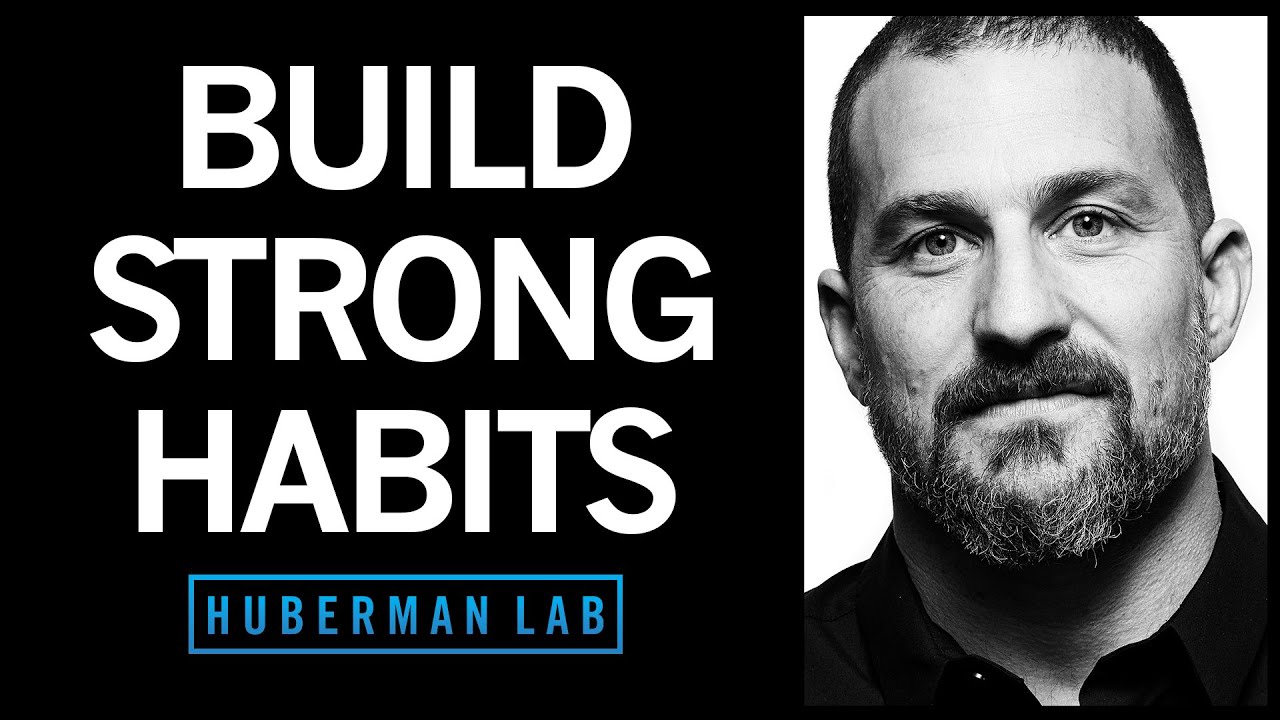
The Science of Making & Breaking Habits
Take this course on CourseBond — completely free to start.
Let’s be honest: 2026 isn’t going to be any less chaotic than last year. The difference is that you now have access to a deeper understanding of how your brain actually works. Learning the science behind habits isn’t about willpower or motivation; it’s about understanding the neurological loops that drive your daily actions.
Most people try to change habits by brute force. They wake up on January 1st and declare they’ll run every day. By February 1st, they’re back to the same old routine. Why? Because they don’t understand the cue-routine-reward loop. When you learn the science, you stop fighting yourself and start working with your brain’s natural wiring.
In 2026, the demand for self-regulation skills is higher than ever. With remote work blurring the lines between personal and professional life, and constant digital distractions pulling at your attention, the ability to build good habits (and kill bad ones) is a superpower. It saves you time, reduces stress, and helps you actually achieve the goals you set.
This isn’t about productivity hacks. It’s about behavioral psychology. You’ll learn why you procrastinate, why you reach for your phone at 10 PM, and why that morning coffee ritual feels so automatic. Once you understand the mechanism, you can hack it. And the best part? You don’t need a degree in neuroscience. You just need a clear roadmap. That’s exactly what we’re going to cover.
Who Should Learn The Science of Making & Breaking Habits?
This guide—and the associated The Science of Making & Breaking Habits course—is for anyone who feels stuck. But let’s get specific about who benefits most.
- The Overwhelmed Professional: You have too many tabs open in your brain. You want to stop doom-scrolling and start deep working. You need a system, not a lecture.
- The Student: You know you should study, but you keep binge-watching shows. You need to understand why your brain rewards distraction and how to rewire it for focus.
- The Self-Improvement Junkie: You’ve read all the books (Atomic Habits, The Power of Habit) but you still struggle to implement. You need the underlying science to make those principles stick.
- Anyone Recovering from a Bad Habit: Whether it’s smoking, overeating, or nail-biting, the science of breaking habits is different from making them. You need targeted strategies that address addiction loops.
- Parents and Coaches: If you guide others (kids, team members, clients), understanding habit formation allows you to create environments that foster growth without nagging.
No matter where you are on your journey, if you’ve ever said, “I know what I should do, but I don’t do it,” this is for you. The course on CourseBond is designed to meet you exactly where you are.
The Best Free Way to Learn The Science of Making & Breaking Habits
You might be tempted to buy a $200 course or hire a habit coach. But you don’t have to. The best free way to learn this material is through The Science of Making & Breaking Habits on CourseBond. It is completely free, self-paced, and built on peer-reviewed research.
Why is it the best option? First, it’s structured. You aren’t jumping between YouTube videos and blog posts that contradict each other. This course gives you a linear path from understanding the basal ganglia (the habit center of your brain) to applying real-world tactics. Second, it’s practical. Every module ends with an actionable exercise. You aren’t just learning theory; you’re building your own habit tracker and identifying your own trigger loops.
Third, it’s accessible. You don’t need to sign up for a mailing list or download a special app. Just click, watch the videos, read the materials, and start. The course is designed by experts who know that the biggest barrier to learning is complexity. They stripped it down to the essentials.
If you are serious about changing your life in 2026, this is your starting point. No credit card required. No hidden fees. Just solid, science-backed information that you can apply today.
The Science of Making & Breaking Habits Roadmap: From Beginner to Confident Practitioner
You don’t become a habit expert overnight. Here is a step-by-step roadmap that mirrors the structure of the CourseBond course. Follow this, and you’ll go from confused beginner to someone who can reliably design their own habits.
Phase 1: The Biology of Habit (Week 1)
Start with the brain. Learn about the habit loop: Cue (trigger), Routine (behavior), Reward (dopamine hit). Understand why your brain automates actions to save energy. You’ll learn about the basal ganglia and why willpower is a finite resource. This phase is purely observational. Don’t try to change anything yet. Just notice your own loops. When do you check your phone? What do you eat when stressed? Write it down.
Phase 2: Keystone Habits (Week 2)
Not all habits are created equal. Some habits (like exercise or making your bed) create a ripple effect that positively impacts other areas of your life. These are called keystone habits. In this phase, you identify your own keystone habits. The course provides a simple framework to spot them. For example, if you start a 5-minute morning stretch, you might find yourself eating healthier breakfasts without trying. That’s the keystone effect.
Phase 3: The 4 Laws of Making Habits (Week 3)
This is where the rubber meets the road. You’ll learn the four laws based on the work of James Clear (adapted for this course): Make it Obvious, Make it Attractive, Make it Easy, Make it Satisfying. You’ll practice designing your environment. Want to read more? Put the book on your pillow. Want to stop snacking? Move the chips to the top shelf. You’ll also learn about “temptation bundling” (pairing a habit you need to do with a habit you want to do).
Phase 4: The Inversion for Breaking Habits (Week 4)
Breaking a habit is not the opposite of making one. You can’t just “stop” a neurological loop; you have to replace it. You’ll learn the inversion of the four laws: Make it Invisible, Make it Unattractive, Make it Difficult, Make it Unsatisfying. For instance, to stop checking your phone at night, you literally put it in another room (Make it Difficult). You’ll also explore the concept of “identity-based habits.” Instead of saying “I’m trying to quit,” you say “I’m not a smoker.” This shifts your self-image.
Phase 5: Advanced Troubleshooting (Week 5)
What happens when you slip up? You’ll learn about the “2-day rule” (never miss twice) and how to handle failure without guilt. You’ll also explore habit stacking (linking a new habit to an existing one) and how to use accountability to stay on track. By the end of this phase, you’ll have a personalized habit system that works for your life, not against it.
Common Mistakes Beginners Make
Even with the best roadmap, beginners trip up. Here are the most common mistakes—and how to avoid them.
- Trying to change everything at once. Your brain hates massive change. It triggers a threat response. Instead, pick one small habit. Just one. Master it for two weeks before adding another. The course emphasizes “tiny habits” for this exact reason.
- Ignoring the environment. You think you lack willpower, but you actually lack environmental design. If your kitchen is full of junk food, you will eat junk food. The course teaches you to make good habits obvious and bad habits invisible. Don’t rely on memory; rely on your surroundings.
- Focusing on the outcome, not the process. “I want to lose 20 pounds” is a goal. “I will walk for 15 minutes after dinner” is a system. Beginners focus on the goal and get discouraged when they don’t see immediate results. The course shifts your focus to the process. Trust the system, and the results will follow.
- Quitting after one slip-up. You miss one day of meditation, and you think, “I failed, so I might as well quit.” This is the “what-the-hell effect.” The course teaches you that perfection is not the goal. Consistency over time is what rewires the brain. Missing one day is fine; missing two days is a trend.
- Not finding the right reward. Many habits fail because the reward doesn’t feel rewarding. You try to replace soda with sparkling water, but you hate the taste. The course helps you experiment with different rewards until you find one that genuinely satisfies the craving.
By being aware of these pitfalls, you can sidestep them. The The Science of Making & Breaking Habits course dedicates an entire module to these mistakes, so you can learn from others’ errors rather than your own.
How to Stay Motivated and Finish the Course
Let’s be real: starting a course is easy. Finishing it is hard. Here are practical strategies to ensure you complete the The Science of Making & Breaking Habits course on CourseBond.
Set a specific time and place. Don’t just say “I’ll do it this week.” Schedule it. Put it in your calendar. “Every Tuesday and Thursday at 7 PM, I will sit at my desk and watch one module.” This removes the decision fatigue. It becomes a scheduled appointment with yourself.
Use the habit stacking technique. Attach the course to an existing habit. For example: “After I brush my teeth at night, I will watch one 10-minute video from the course.” The existing habit (brushing teeth) becomes the cue for the new habit (learning).
Join an accountability group. CourseBond doesn’t have a built-in community, but you can create one. Text a friend: “Hey, I’m taking this free habit course. Can I check in with you every Sunday about my progress?” Just knowing someone else knows you’re doing it increases your chances of completion by 65%.
Track your progress visually. Use a simple checklist. Every time you finish a module, put a big red X on a calendar. Visual progress is incredibly motivating. You won’t want to break the chain.
Remember your “why.” Why did you start this? Write it down. “I want to stop procrastinating so I can write my novel.” “I want to exercise so I have more energy for my kids.” Tape that note to your monitor. When motivation dips, read it. The course itself will remind you that motivation is fleeting, but systems are forever.
Frequently Asked Questions
How long does it take to form a new habit?
The old myth of 21 days is not accurate. Research from University College London shows it takes an average of 66 days for a behavior to become automatic, but it can range from 18 to 254 days depending on the complexity. The course teaches you how to speed up this process by focusing on consistency and environment design.
Is this course really free? Are there any hidden charges?
Yes, it is completely free. CourseBond is a free online learning marketplace. There are no hidden charges, no trial periods, and no credit card required. You can access the entire curriculum immediately.
Can I use these techniques for breaking an addiction?
Yes and no. The science of breaking habits is very effective for behavioral patterns like procrastination, overeating, or nail-biting. However, severe addictions (substance abuse, gambling) often require professional medical intervention. The course provides a strong foundation in behavioral change that can complement professional treatment, but it is not a substitute for medical advice.
Do I need any prior knowledge of psychology?
None at all. The course is designed for absolute beginners. It explains all terms (like “dopamine” and “basal ganglia”) in simple, relatable language. If you can understand why you reach for a cookie when you’re bored, you have all the prerequisite knowledge you need.
What if I don’t have time to watch the videos?
The course is modular. You can watch one 5-minute video at a time. You can also read the transcript summaries. The key is to do something, even if it’s just one small step. The course is designed to fit into a busy schedule.
How is this different from other habit courses?
Most courses focus on motivation or productivity hacks. This course focuses on the underlying neuroscience. You learn why habits work, not just what to do. This deeper understanding makes the strategies more resilient. You won’t just follow a checklist; you’ll be able to design your own habit systems from scratch.
Ready to Start Learning?
You now have the roadmap. You know the common mistakes. You have a plan to stay motivated. The only thing left is to take action. You can keep reading articles and watching random YouTube clips, or you can commit to a structured, science-backed learning path that will actually change your behavior.
The best time to start was a year ago. The second best time is right now. The The Science of Making & Breaking Habits course on CourseBond is waiting for you. It’s free, it’s practical, and it will teach you how to finally take control of your daily actions.
Stop planning. Start doing. Enroll in The Science of Making & Breaking Habits (free) and begin your journey to becoming the person you want to be.
