
Why Learn Google Digital Marketing & E-commerce Certificate in 2026?
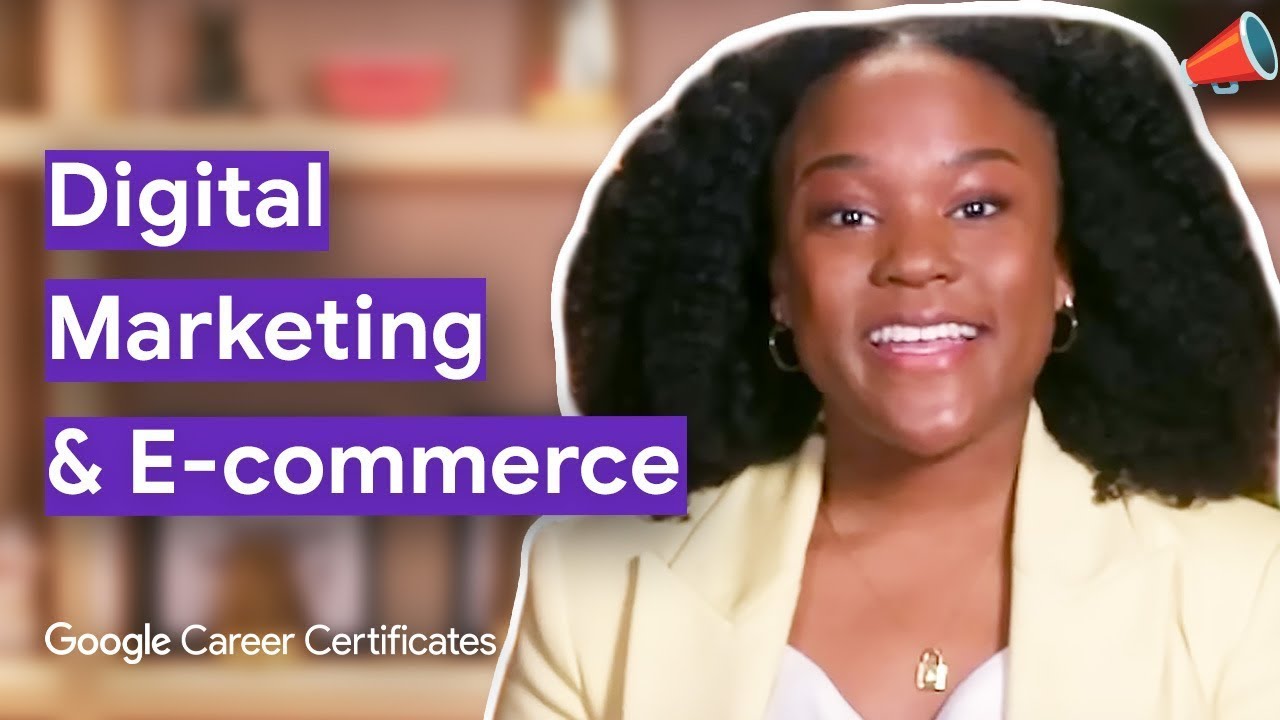
Google Digital Marketing & E-commerce Certificate
Take this course on CourseBond — completely free to start.
If you are looking for a career path that is both stable and growing, digital marketing and e-commerce are at the top of the list. By 2026, nearly every business, from a local bakery to a global brand, will need people who understand how to sell online. The Google Digital Marketing & E-commerce Certificate is designed to give you exactly those skills, and it is one of the most recognized entry-level credentials in the industry.
Here is why this certificate matters in 2026:
- High demand for digital skills: Companies are investing heavily in online stores, social media ads, and search engine marketing. They need people who can manage campaigns, analyze data, and drive sales.
- No degree required: This certificate is built for beginners. You do not need a college degree or previous marketing experience. Google and industry experts designed it to prepare you for an entry-level job.
- Real-world projects: Instead of just watching videos, you build a portfolio with projects like creating a SEO strategy, setting up a Google Ads campaign, and analyzing e-commerce performance. This hands-on experience is what employers look for.
- E-commerce is booming: Online shopping continues to grow. Understanding how to run an online store, manage product listings, and optimize customer experience is a skill set that will stay relevant for years.
- Free access through CourseBond: You can start learning without spending a dime. The Google Digital Marketing & E-commerce Certificate course on CourseBond provides the full curriculum at no cost, making it accessible to anyone with an internet connection.
In short, if you want a practical skill that leads to real job opportunities, this certificate is a smart investment of your time.
Who Should Learn Google Digital Marketing & E-commerce Certificate?
This course is intentionally broad. It is built for people who are curious about how online marketing works and want a structured path to learn it. Here are the groups who will benefit the most:
- Complete beginners: You have never run a Facebook ad or written a blog post for SEO? No problem. The course starts with the fundamentals and builds up step by step.
- Career changers: If you are tired of your current job and want to move into a field with growth potential, this certificate gives you a clear roadmap. Many graduates find roles as digital marketing coordinators, e-commerce specialists, or SEO analysts.
- Small business owners and freelancers: If you run your own business or side hustle, understanding digital marketing is essential. You will learn how to attract customers online, set up an online store, and measure what works.
- Students and recent graduates: Adding a Google certificate to your resume shows employers you have practical, up-to-date skills. It can be the edge you need in a competitive job market.
- Anyone curious about e-commerce: Maybe you want to start a dropshipping store or sell handmade goods. This course covers the entire e-commerce lifecycle, from product research to customer retention.
No matter your background, if you are willing to invest a few hours each week, you can complete this certificate and feel confident applying for entry-level roles.
The Best Free Way to Learn Google Digital Marketing & E-commerce Certificate
You might be wondering: “Is this certificate really free?” The answer is yes, when you access it through the right platform. The Google Digital Marketing & E-commerce Certificate is available for free on CourseBond. This means you get the same high-quality content from Google without paying a subscription fee.
Here is why CourseBond is the best place to learn:
- No hidden costs: You do not need a credit card. You can start the course immediately and work through all seven modules at your own pace.
- Structured learning path: The course is broken into manageable sections. You will cover topics like search engine optimization (SEO), paid advertising, email marketing, and e-commerce analytics.
- Portfolio projects: Each module includes a hands-on project. For example, you might create a keyword plan for a mock company or analyze sales data from an online store. These projects become part of your professional portfolio.
- Self-paced: There is no deadline. You can learn in the evenings, on weekends, or during your lunch break. Most people finish in about 3-6 months, but you can go faster or slower.
To get started, simply visit the Google Digital Marketing & E-commerce Certificate page on CourseBond and click “Start Course.” That is it. No forms, no trials, no catch.
Google Digital Marketing & E-commerce Certificate Roadmap: From Beginner to Confident Practitioner
To help you navigate the course, here is a clear roadmap. Each stage builds on the previous one, so follow the order for best results.
Stage 1: Foundations of Digital Marketing
You will start with the big picture. Learn what digital marketing is, how e-commerce works, and the key metrics used to measure success. This stage covers the customer journey, marketing funnels, and the role of different channels like search, social, and email.
Stage 2: Search Engine Optimization (SEO)
SEO is the art of getting your website to appear in search results. You will learn keyword research, on-page optimization, technical SEO, and link building. By the end, you will be able to audit a website and suggest improvements to boost its ranking.
Stage 3: Search Engine Marketing (SEM) & Paid Advertising
This module focuses on Google Ads. You will learn how to create search campaigns, set budgets, write ad copy, and track conversions. You also explore display advertising and remarketing strategies.
Stage 4: Social Media Marketing
Social platforms are essential for e-commerce. You will learn how to create content for Facebook, Instagram, LinkedIn, and YouTube. The course covers organic posting and paid social ads, including targeting and ad formats.
Stage 5: Email Marketing & Automation
Email remains one of the highest ROI channels. You will learn how to build an email list, segment subscribers, write compelling subject lines, and automate campaigns like welcome sequences and abandoned cart emails.
Stage 6: E-commerce Essentials
This is where you dive into the online store itself. Topics include product listing optimization, pricing strategies, customer reviews, and checkout flow. You will also learn about platforms like Shopify and how to manage inventory.
Stage 7: Analytics & Measurement
Data drives decisions. You will learn how to use Google Analytics and other tools to track traffic, conversions, and customer behavior. The final project involves creating a performance report and making data-backed recommendations.
By the end of this roadmap, you will have a complete skill set and a portfolio to show employers.
Common Mistakes Beginners Make
Starting something new is exciting, but it is easy to fall into traps. Here are the most common mistakes learners make and how to avoid them:
- Skipping the fundamentals: Some people jump straight into advanced topics like Google Ads without understanding basic marketing concepts. This leads to confusion. Tip: Go through the course in order. The foundations matter.
- Not doing the hands-on projects: Watching videos is passive. The real learning happens when you create a keyword plan or set up a mock campaign. Tip: Treat each project as a real assignment. It will help you retain information and build your portfolio.
- Trying to memorize everything: Digital marketing tools and algorithms change constantly. You do not need to memorize every detail. Tip: Focus on understanding the principles. You can always look up specific steps later.
- Isolating yourself: Learning alone can feel overwhelming. Tip: Join online communities, forums, or study groups. Discussing concepts with others helps solidify your understanding.
- Giving up after one tough module: Some modules, especially SEO or analytics, can feel technical. Tip: Take a break, rewatch the videos, and try the project again. Persistence is key.
- Not applying for jobs or freelance work early: Many beginners wait until they finish the entire certificate before looking for opportunities. Tip: Start applying for internships, entry-level roles, or small freelance projects after completing the first 3-4 modules. Real experience accelerates your learning.
Avoiding these mistakes will save you time and frustration.
How to Stay Motivated and Finish the Course
A self-paced course requires discipline. Here are practical strategies to keep going:
- Set a weekly schedule: Block out 2-3 hours per week, same days and times. Treat it like a class you cannot miss. Consistency beats cramming.
- Break it into small goals: Instead of “finish the certificate,” set goals like “complete Module 2 this week” or “do the SEO project by Friday.” Small wins keep you motivated.
- Track your progress: Use a checklist or a simple spreadsheet. Seeing your progress visually (e.g., 4 out of 7 modules done) is satisfying.
- Find a learning buddy: Ask a friend or family member to join you. You can discuss what you learn, share resources, and hold each other accountable.
- Reward yourself: After finishing a module, treat yourself to something you enjoy—a movie, a nice meal, or a walk outside. Positive reinforcement works.
- Focus on the outcome: Remind yourself why you started. Do you want a new job? Start a business? Get a promotion? Visualize the result. It makes the effort worthwhile.
- Use the CourseBond community: Many learners share tips and encouragement on the platform. Engage with others who are on the same journey.
Remember, you do not need to be perfect. Just keep moving forward, one module at a time.
Frequently Asked Questions
Do I need any prior experience to take this certificate?
No. The Google Digital Marketing & E-commerce Certificate is designed for complete beginners. You just need basic computer skills and an internet connection. The course teaches everything from scratch.
How long does it take to complete the certificate?
Most learners finish in about 3-6 months if they study 2-3 hours per week. You can go faster if you have more time, or slower if you need to balance work or family. There is no deadline.
Is the certificate recognized by employers?
Yes. Google is a trusted name in the industry. Many companies, including top employers like Deloitte and Accenture, accept this certificate as proof of skills. It is also part of Google’s Career Certificates program, which is designed with input from hiring managers.
Can I get a job after completing this certificate?
Many graduates do. The certificate prepares you for entry-level roles like digital marketing specialist, e-commerce coordinator, SEO analyst, or paid media assistant. Your portfolio projects will help you stand out during interviews. Some learners also start freelancing or consulting.
Is the course really free on CourseBond?
Yes. CourseBond offers the full Google Digital Marketing & E-commerce Certificate at no cost. You do not need to pay for a subscription or a one-time fee. Simply visit the course page and start learning.
What tools will I learn to use?
You will get hands-on experience with Google Ads, Google Analytics, Google Merchant Center, and social media advertising tools. You also learn about e-commerce platforms like Shopify and email marketing software like Mailchimp.
Ready to Start Learning?
You now have a clear understanding of what the Google Digital Marketing & E-commerce Certificate offers, who it is for, and how to succeed. The demand for digital marketing and e-commerce skills is not slowing down. Whether you want a new career, to grow your business, or simply to understand how online marketing works, this certificate is your starting point.
There is no reason to wait. The course is free, self-paced, and designed for beginners. Your future self will thank you for taking this step today.
Enroll in Google Digital Marketing & E-commerce Certificate (free) and begin your journey now.
